
Running trains safely and on time is a full-time job, and the railroad never stops - even when your in-house team is stretched thin. When operations cover multiple time zones, handle emergency calls at all hours, and depend on accurate paperwork for every crew, the case for outside help becomes hard to ignore. Here are practical, real-world signs it’s time to consider contract railroad services to cut delays, streamline communication, and raise safety across your network.
Rising Call Volume, Limited Coverage
If your team struggles to answer every call, especially after-hours, you’re already on the back foot. A partner that demonstrates high responsiveness - such as a 99% call answer rate backed by 68,732 calls handled in a year by RailRCS - can stabilize communications and reduce the risk of missed incidents or instructions. Around-the-clock availability matters when you operate across all four U.S. time zones.
24/7/365 duty coverage for emergency calls and incident intake.
Consistent response metrics that support both operations and safety.
Support spanning every U.S. time zone for continuous coordination.
Dispatch Needs Exceed In‑House Bandwidth
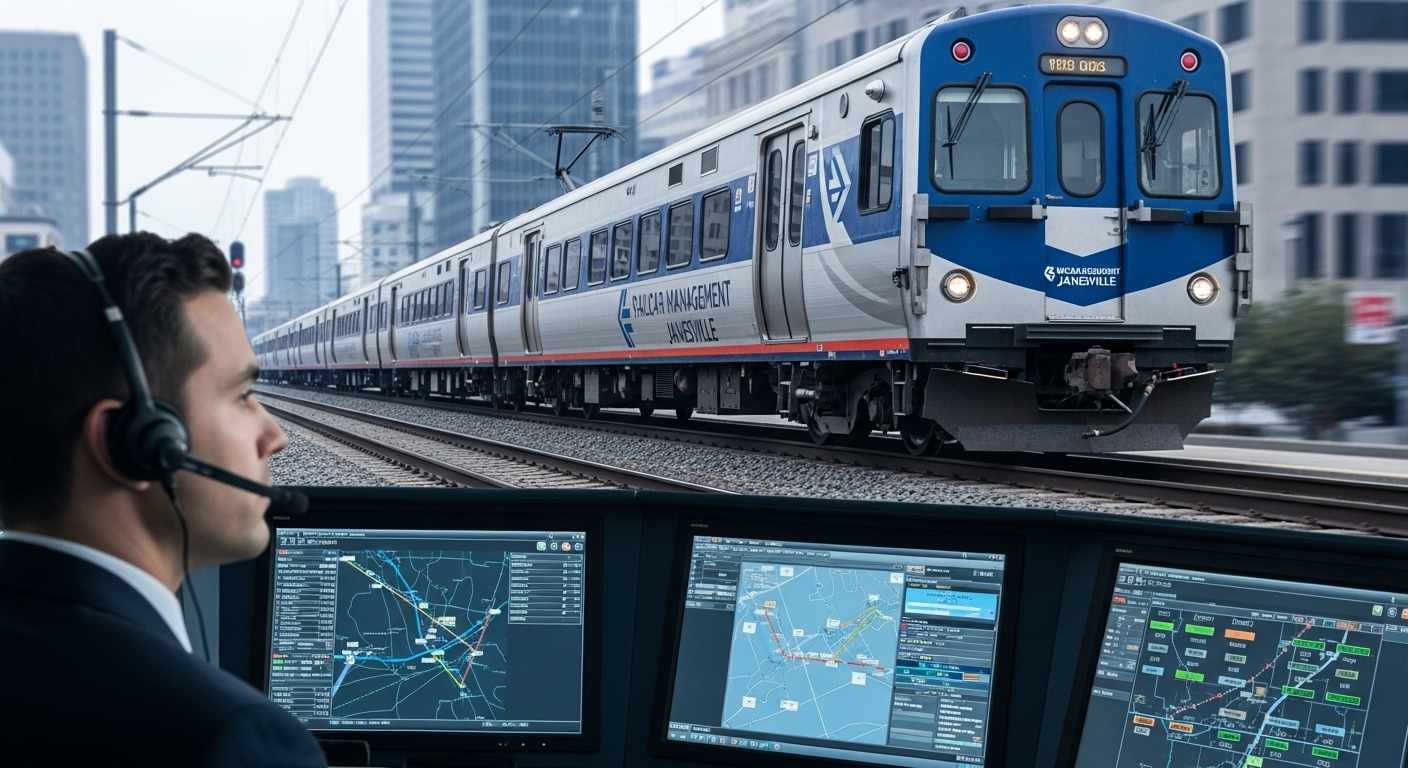
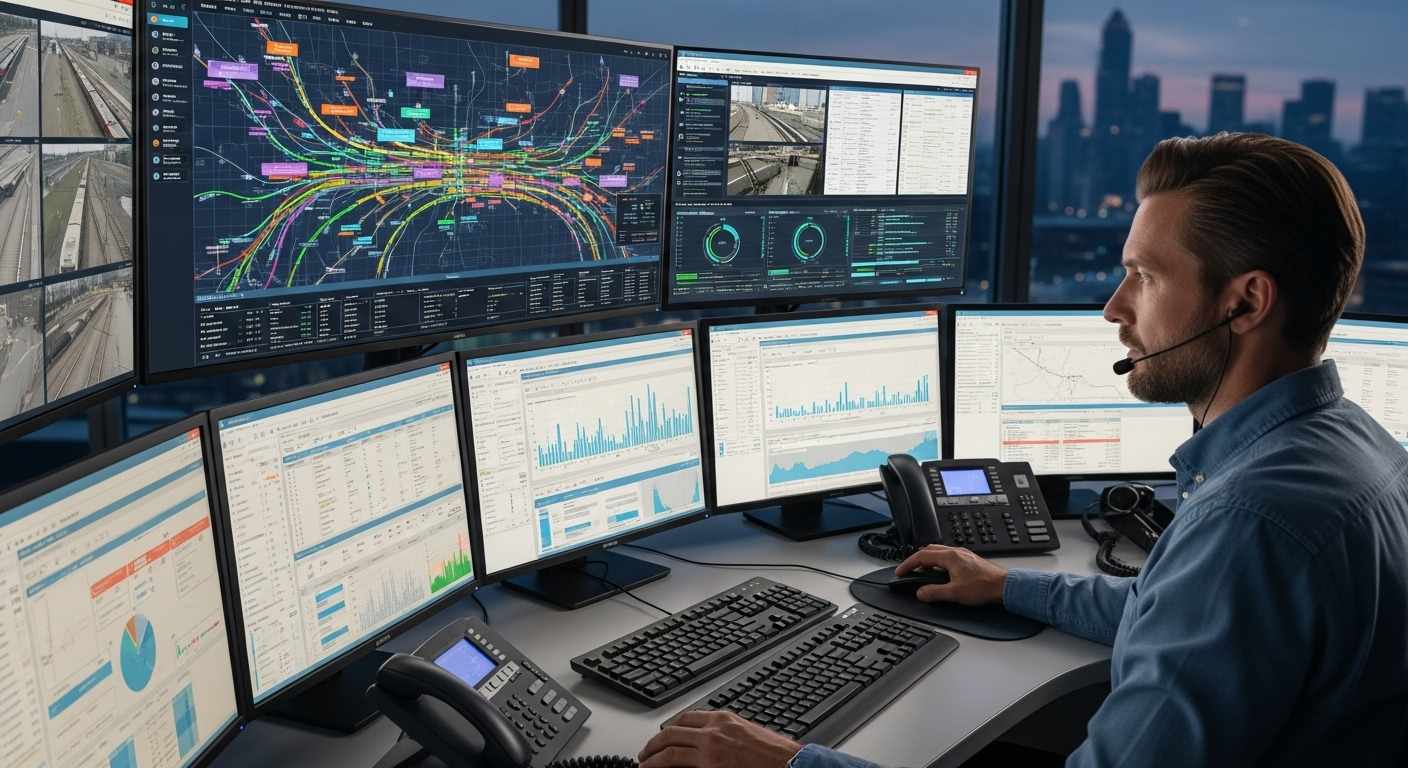
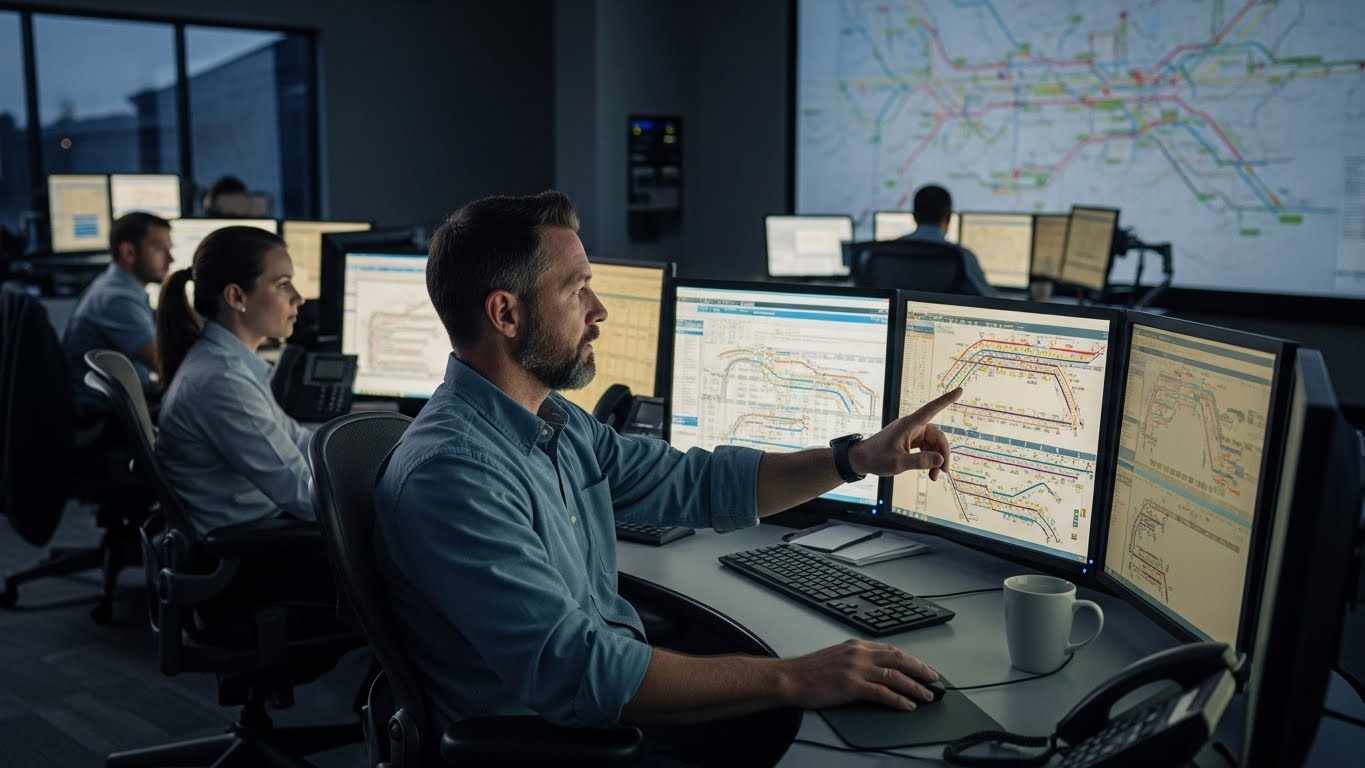
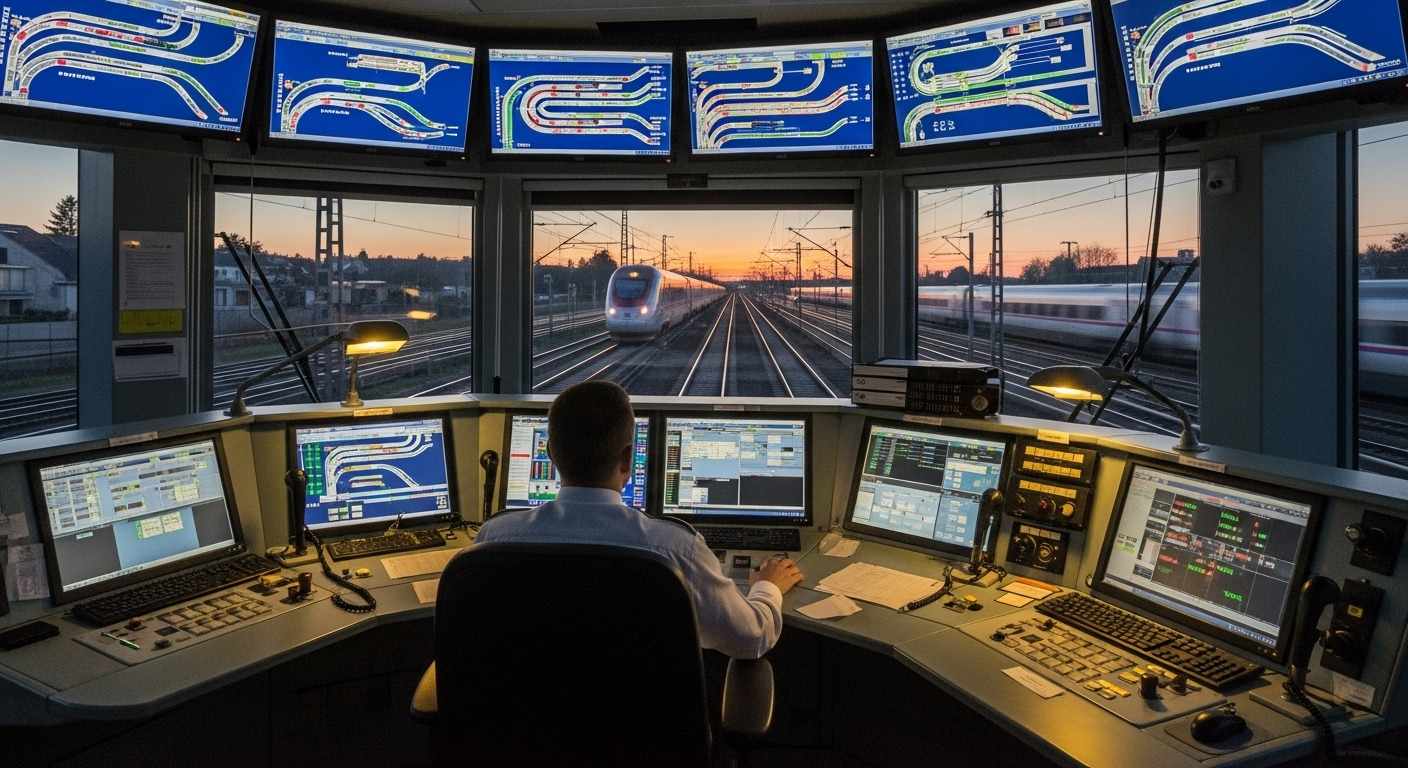
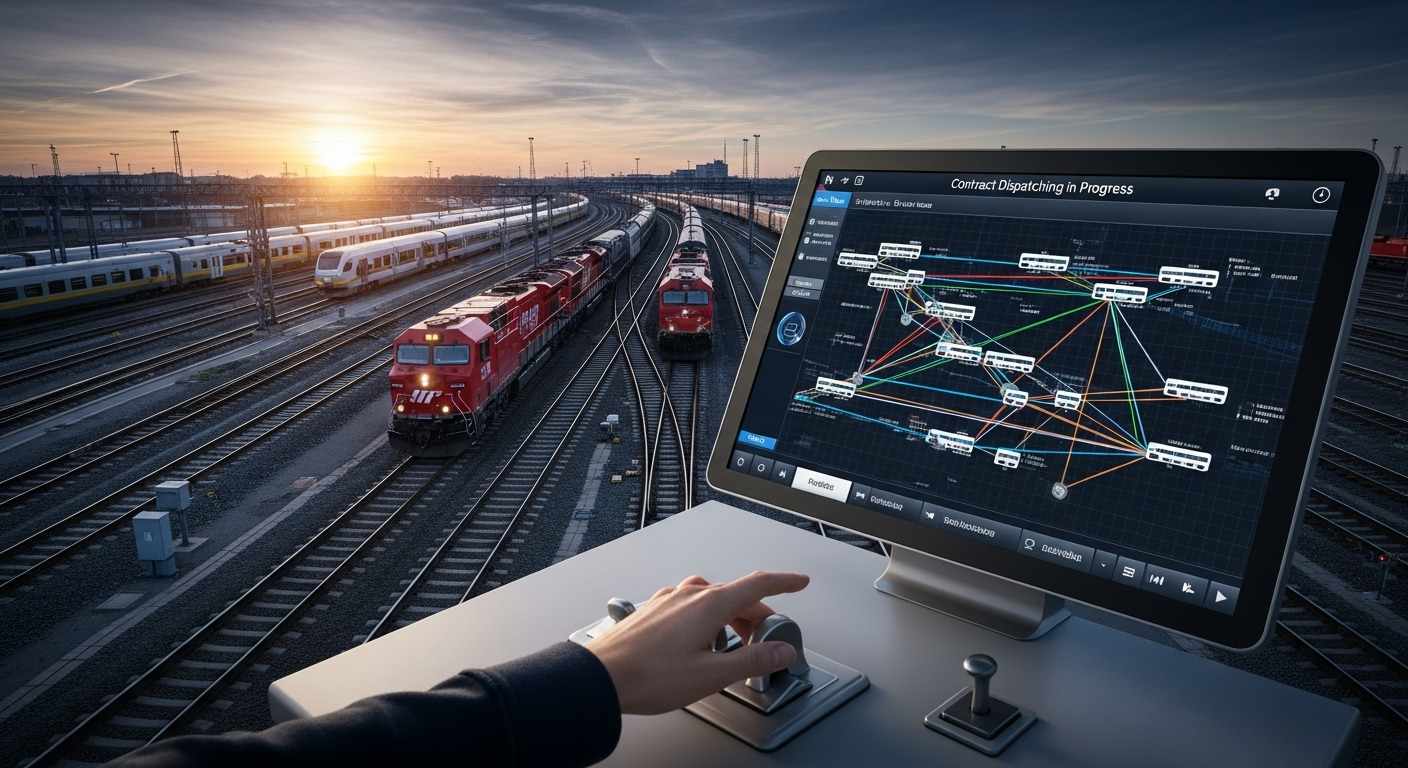
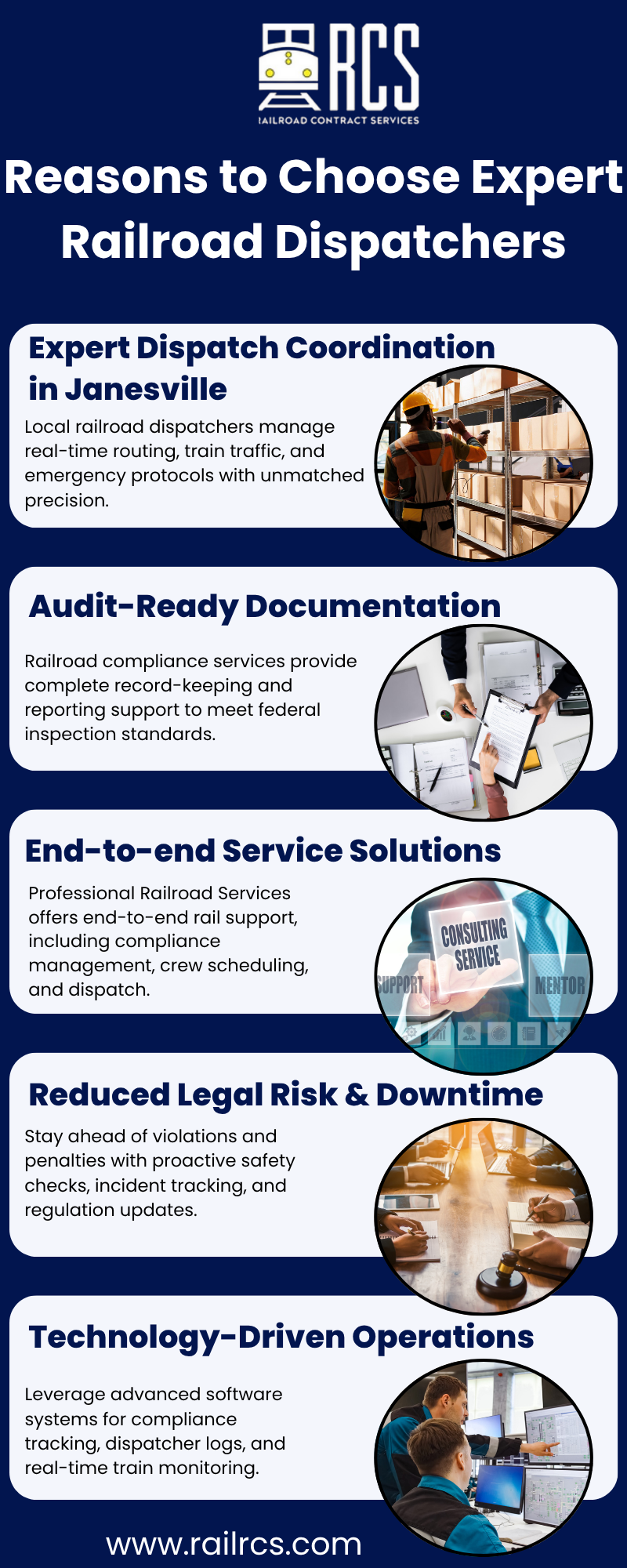
When dispatch desks juggle train movements, track authorities, and maintenance windows, even minor staffing gaps can cascade into delays. Mature contract train dispatch services coordinate and authorize safe movement, manage MOW traffic, and maintain focus under heavy multitasking demands - often using dedicated CAD tools and rule-qualified staff to keep trains moving.
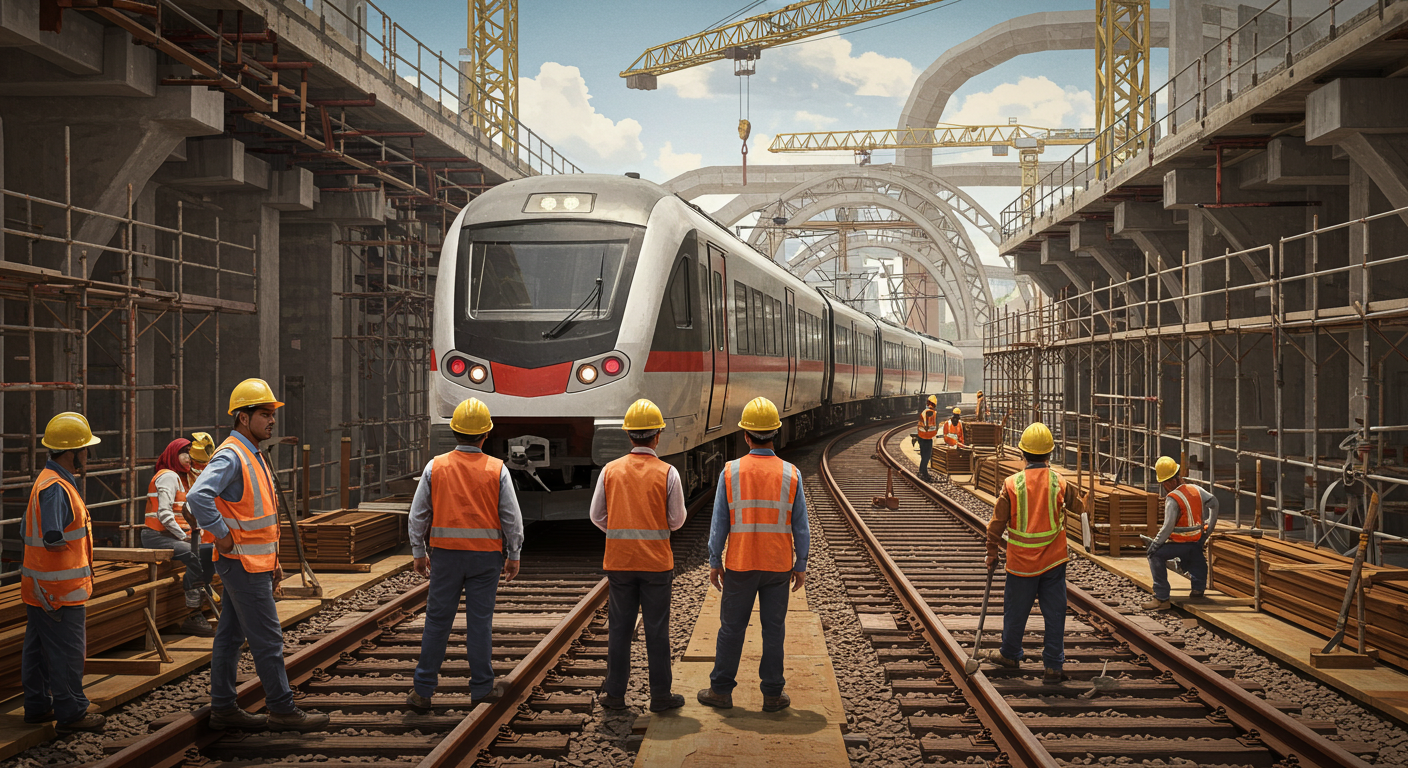
Dispatchers coordinate train and MOW occupancy to keep work moving safely.
Qualification in GCOR and NORAC ensures coverage across varied rule territories.
Proprietary CAD dispatch software streamlines tracking authorities.
Experience is key to safety.” - When your territory grows, the right dispatch experience scales with it rather than stretching thin.

Compliance Requirements Are Getting Heavier
From operating rules to workplace safety and incident reporting, compliance touches every mile you operate. If audits, training, and reporting are absorbing critical time, a railroad dispatcher in North America with certified programs and secure data retention can shoulder the load. This is especially true if you need programs aligned with the Code of Federal Regulations and periodic audit preparedness.
Programs for operating rules, workplace safety, and alcohol/drug testing.
Approved classroom and certification offerings tied to federal standards.
Data retention and incident reporting handled to spec and on schedule.
You Need Depth of Experience on Demand
Some challenges require specialists - chief dispatchers, safety officers, engineers, conductors, and operations managers. If you’re training new staff or covering retirements, tapping seasoned professionals can bridge the gap while maintaining safety standards and service continuity.
Teams trained on physical characteristics, hazmat, security awareness, and HOS laws.
Fully staffed, 24/7 operations from a U.S.-based independent service provider.
Confidence built on years of industry experience and standardized processes.
How to Recognize the Tipping Point?
If two or more of the scenarios below feel familiar, it’s time to explore contract railroad services:
Dispatch desks regularly run short-staffed during nights or weekends.
Compliance tasks and reporting pull managers away from daily operations.
Crew paperwork isn’t ready on time, or billing cycles are slipping.
Calls spike during incidents, and your team can’t keep up 24/7.
You’re adding territory or train miles without proportional staffing growth.

A Practical Way Forward
Start with a gap check: where are delays starting - dispatch coverage, emergency calls, freight paperwork, or compliance workloads? Then map needs to services that run 24/7, are GCOR and NORAC qualified, and can prove responsiveness with measurable stats. The right alignment keeps trains moving, paperwork current, and safety at the center of your operation.
If these signs resonate, consider reaching out to RailRCS - they operate 24/7/365 across every U.S. time zone, offer GCOR and NORAC qualified dispatchers, manage over 2,455 main track miles for clients, and support freight paperwork and compliance programs that keep trains and crews on schedule. Ask for a quick assessment to see where contract railroad services can immediately reduce risk and improve flow.


Write a comment ...