
Railroads move nonstop, but information does not always keep up. When rail teams juggle phone calls, spreadsheets, and scattered updates, small visibility gaps can quickly turn into switching delays, missed handoffs, and frustrated customers. For a railroad dispatcher, the hardest part is not making decisions, it is making them with incomplete railcar data and time-sensitive constraints.
Understanding Railcar Management Software
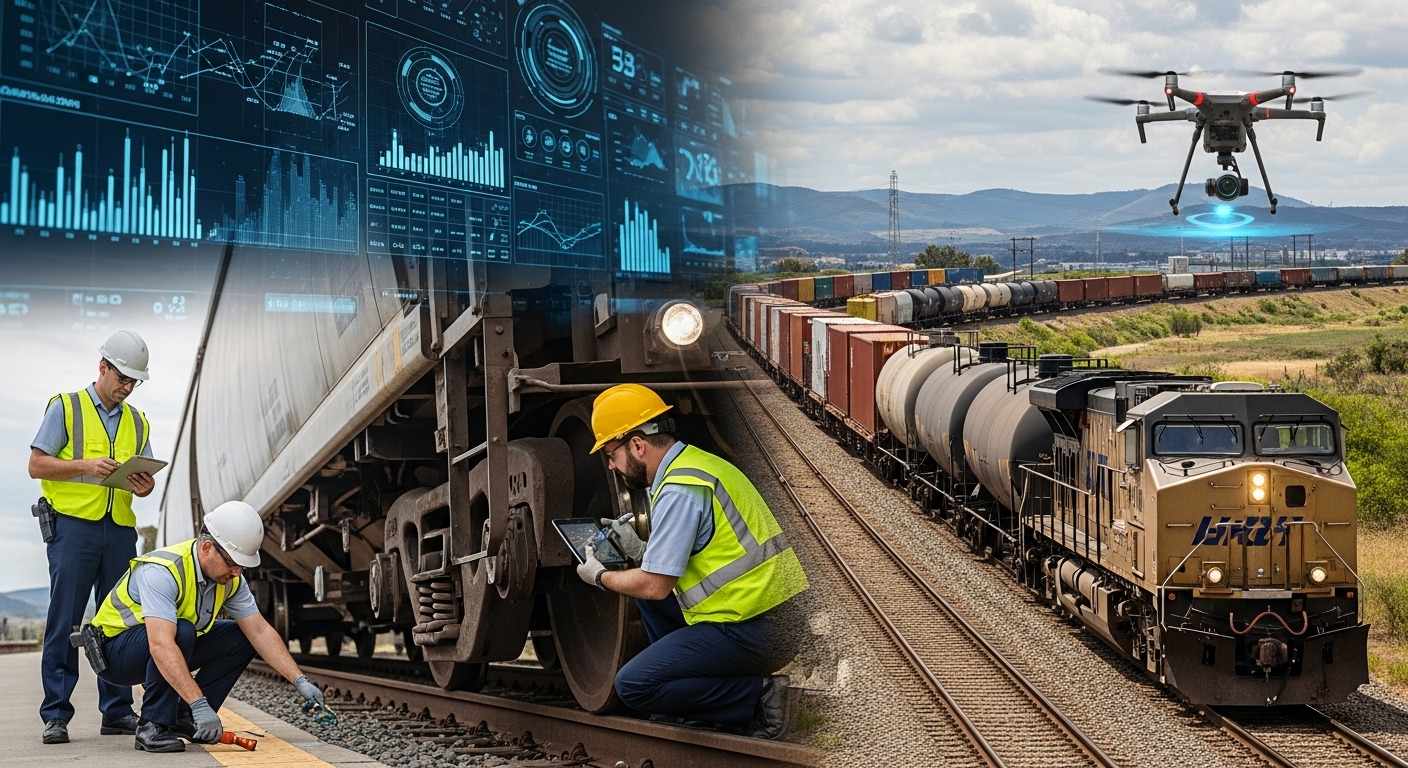
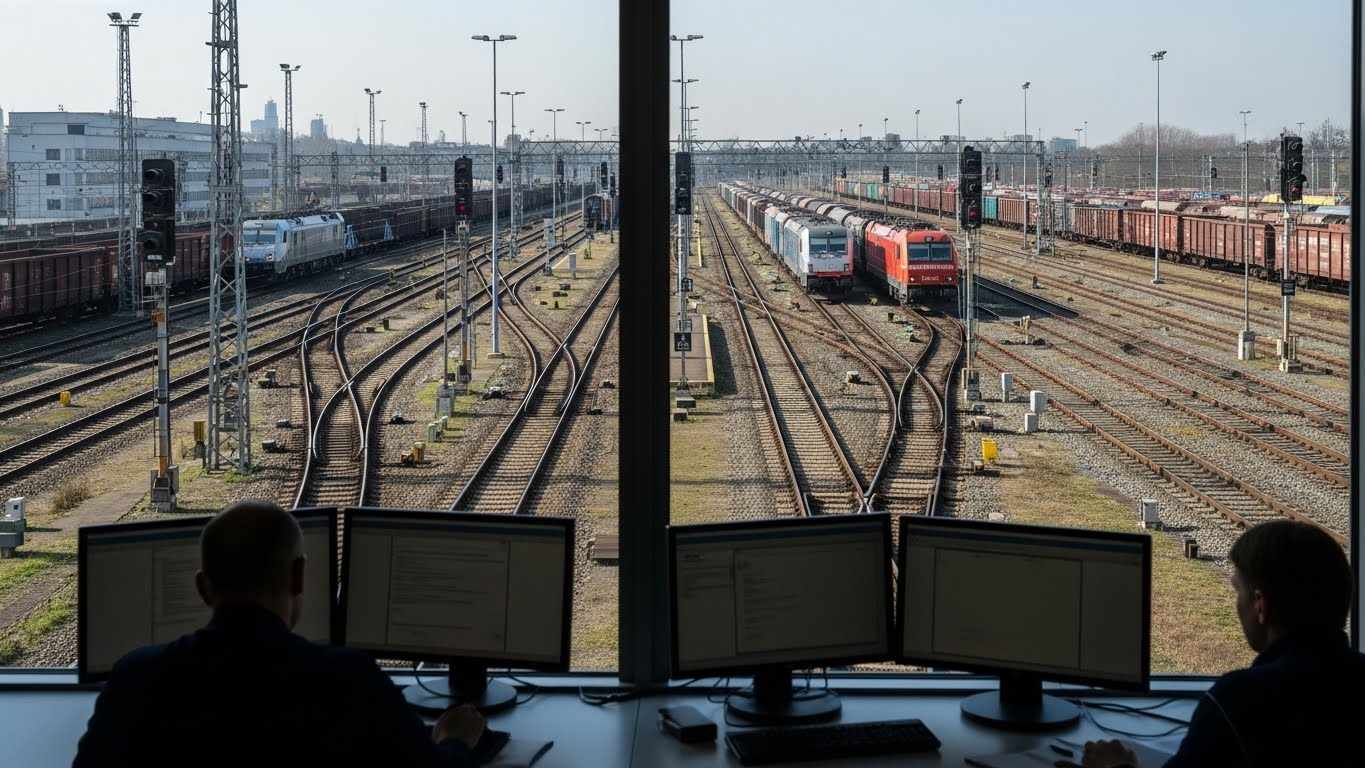
At its core, railcar management software brings railcar location, status, and movement history into one place so operations can act faster. Think of it as practical freight rail tracking that supports smarter rail yard management and fewer “where is that car?” moments.
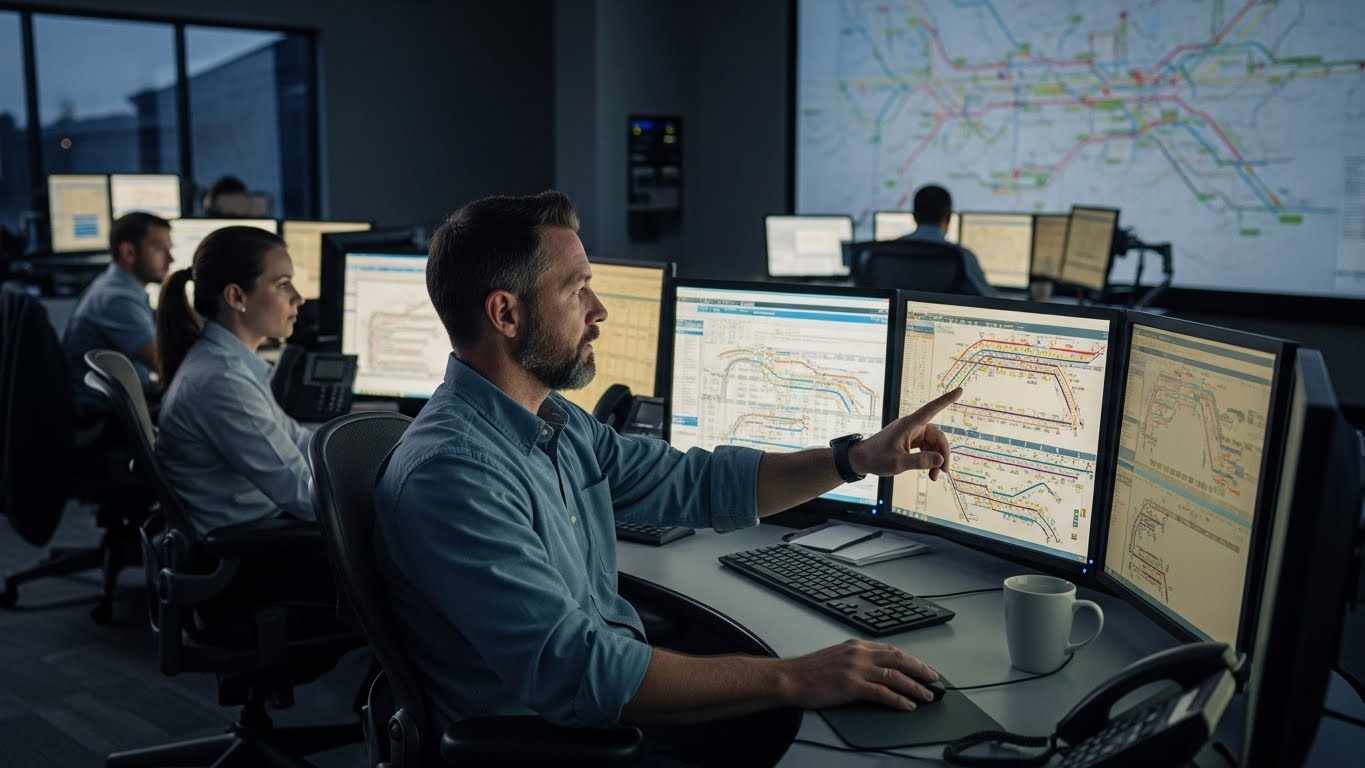
Instead of chasing updates, teams work from a shared, real-time view that reduces confusion between dispatch, yard crews, and customer-facing staff.
Core Features that Boost Network Performance:
Real-time railcar location and status across yards and lines
Automated event capture (arrivals, departures, holds, interchange)
Exception alerts to surface late moves and risk hotspots
Rail operations analytics for dwell time, utilization, and service reliability

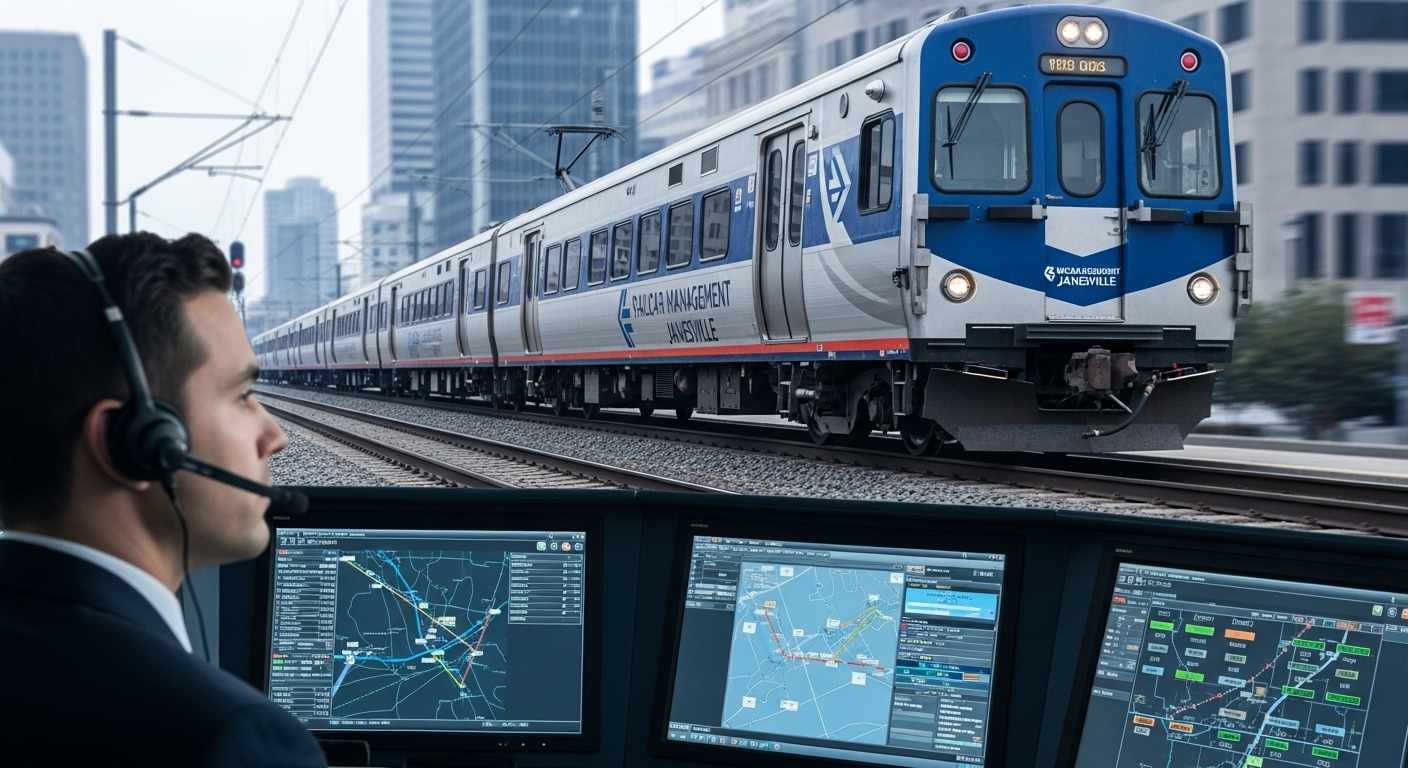
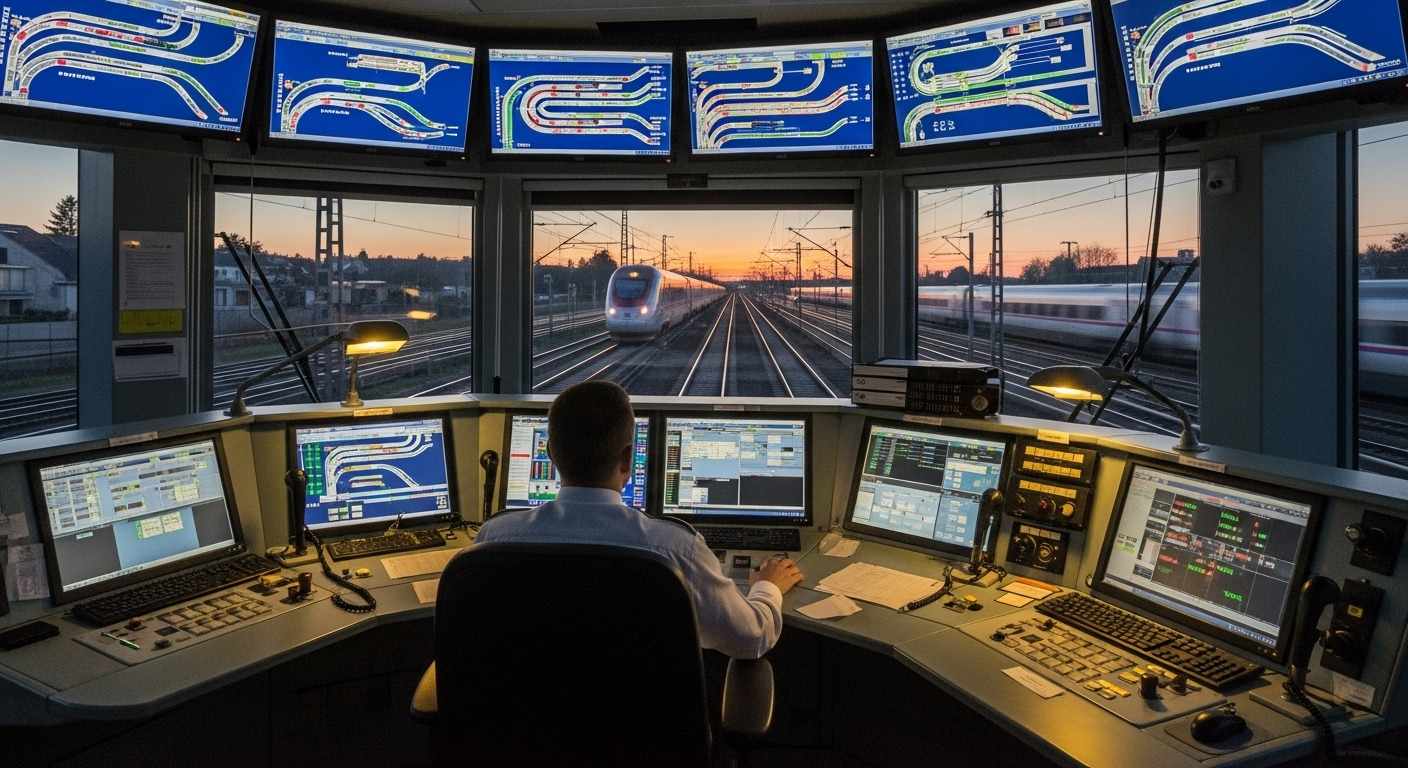
Smarter Decision-Making for A Train Dispatcher USA With Better Data
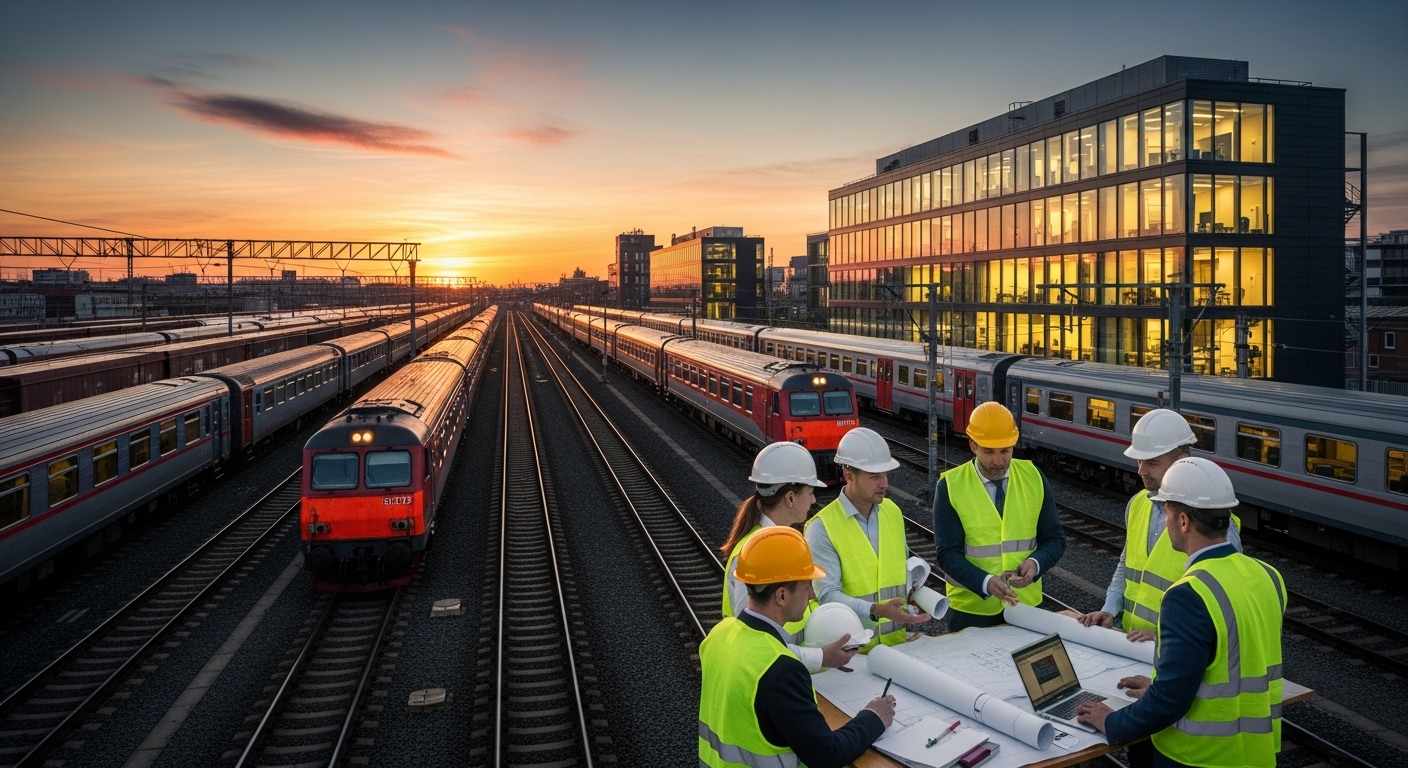
When dispatch, yard, and customer service all use the same source of truth, plans stop collapsing at shift change. Better railcar-level visibility helps teams prioritize the right work first, like clearing bottlenecks, staging power and preventing yard congestion before it spreads.
With railcar management software, dispatchers can spot exceptions early, communicate clearer ETAs, and coordinate interchange timing with short lines more confidently, especially when volume spikes or weather disrupts schedules.
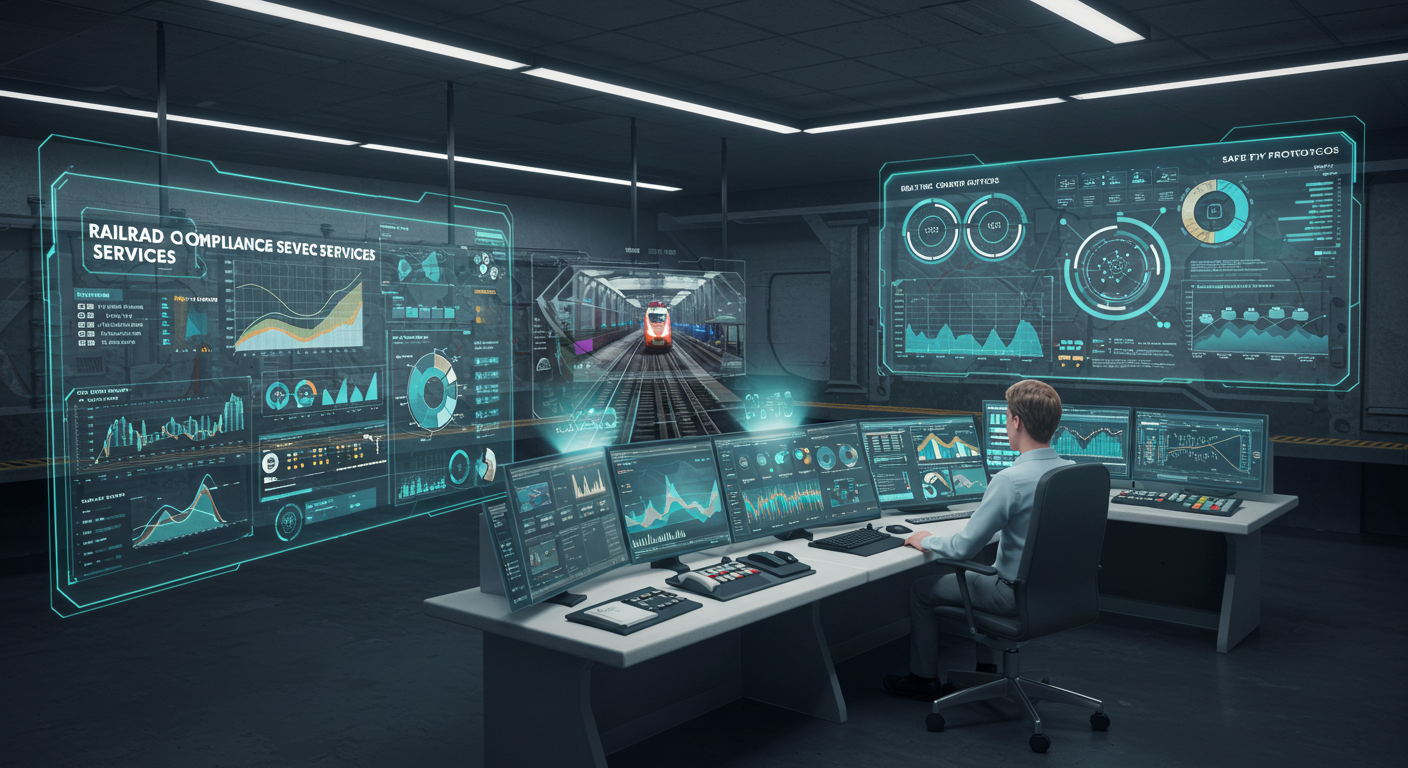
Operationally, it also supports railroad compliance services by making it easier to document decisions, maintain auditable records, and align processes with safety and reporting expectations.

Conclusion - Turning Visibility into Action, Day After Day
Real-time visibility, consistent workflows, and actionable alerts are what turn busy rail operations into reliable ones. RailRCS brings that mindset to the field with 24/7 coverage, qualified GCOR and NORAC staffing, and nationwide support built for independent rail solutions.
For railroads that want fewer delays and smoother communication, consider checking out RailRCS today!
FAQs
1. What is railcar management software and how does it work in day to day rail operations?
It centralizes railcar status and movement updates so teams can plan, react, and report using a single operational view.
2. How does better railcar visibility reduce delays and dwell time?
It helps teams catch exceptions sooner, prioritize the right moves and prevent small issues from cascading.
3. What tools do dispatch teams typically use alongside railcar visibility?
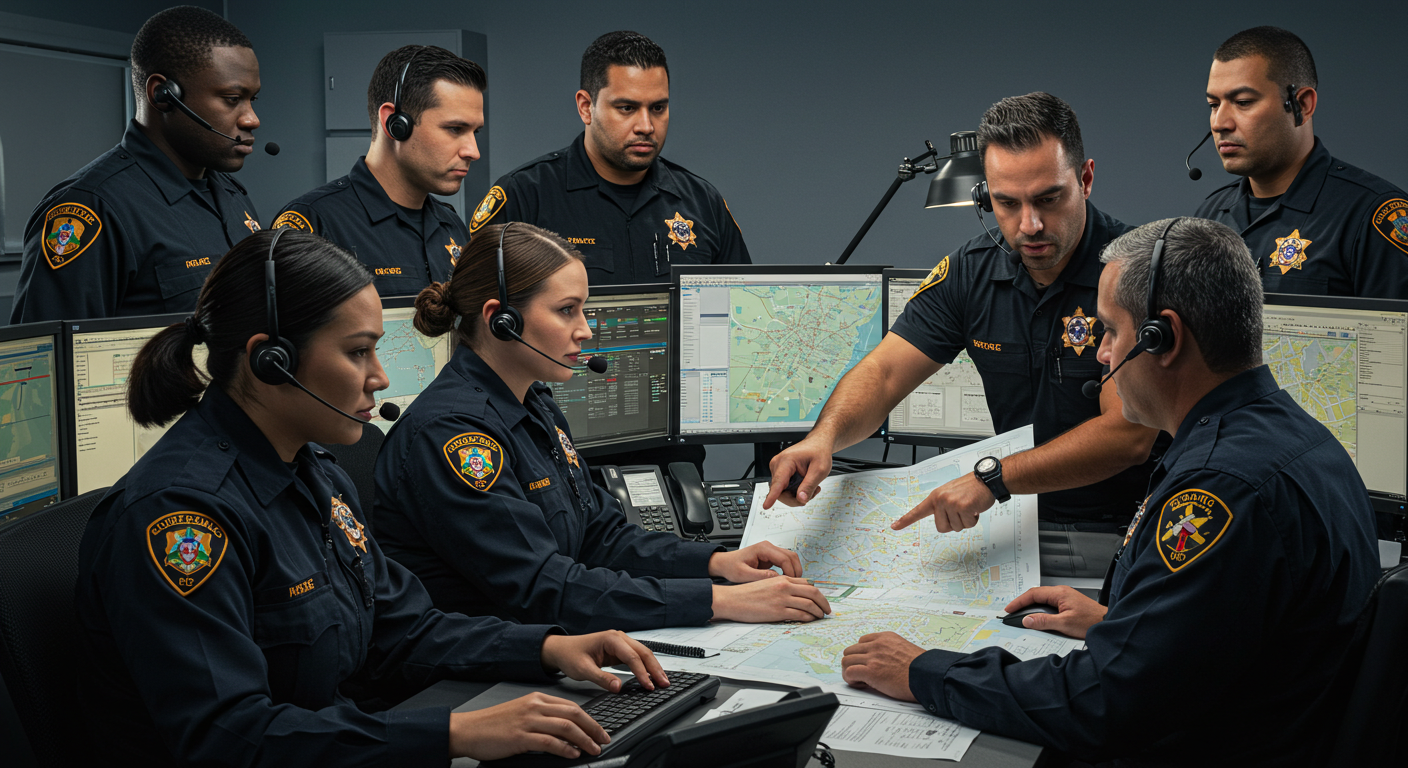
Common tools include dispatch systems, radio/phone workflows, GIS maps, and event tracking integrated into operations.
4. Which KPIs best prove ROI from rail visibility tools?
Start with dwell time, asset turns, on-time performance, and demurrage-related costs.
5. How should you evaluate integration with interchange and dispatch workflows?
Check data sources, update frequency, permission controls, audit trails and how fast teams can act on alerts.

Write a comment ...