
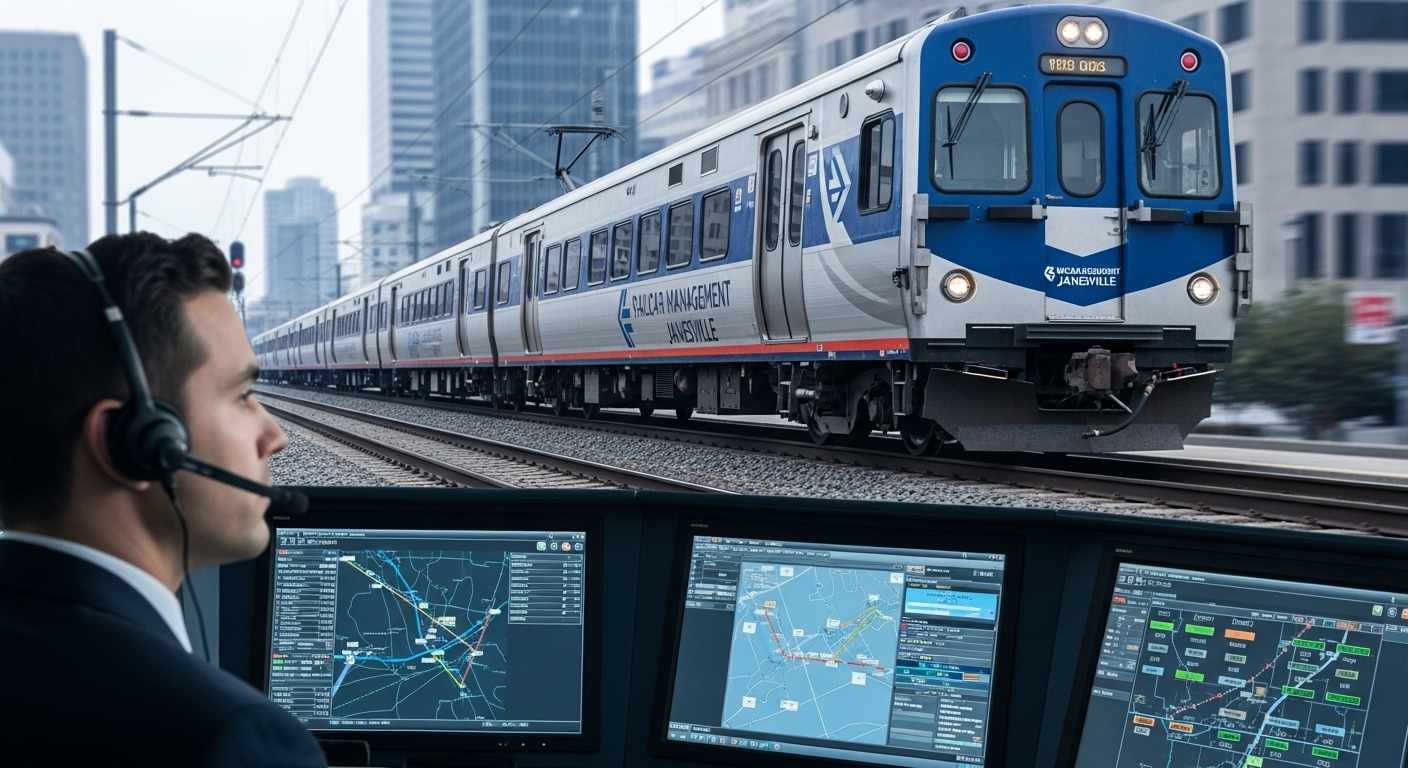
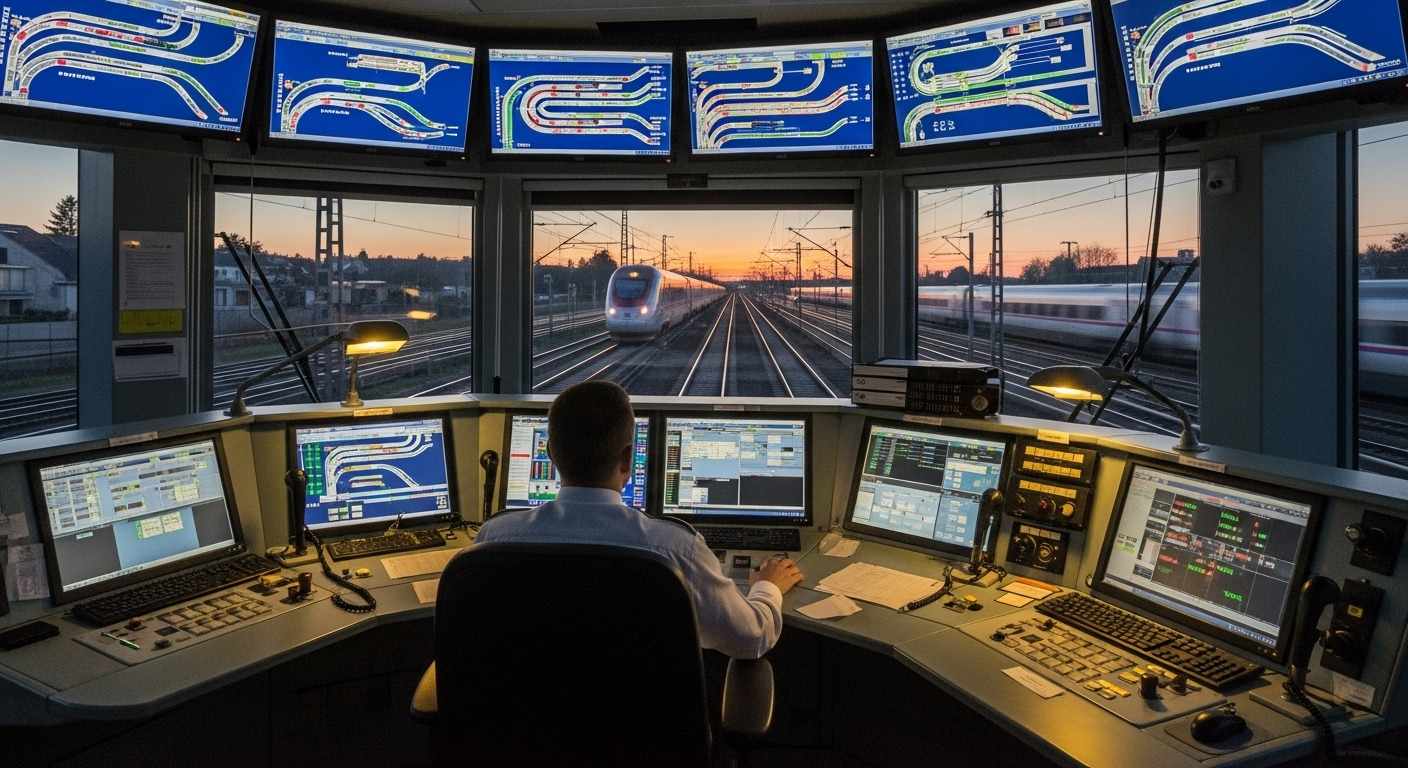
Behind every smooth railroad movement is a decision chain happening in real time. Railroad Contract Services play a key role here by ensuring train traffic stays coordinated, compliant, and responsive when conditions change. While crews operate the trains, dispatchers orchestrate the network so freight and passengers move safely across shared infrastructure.
In today’s rail environment, dispatching is not just about signals. It is about anticipating conflicts, managing constraints, and keeping operations moving even when delays ripple across the system.
Railroad Contract Services and the Dispatcher’s Core Role
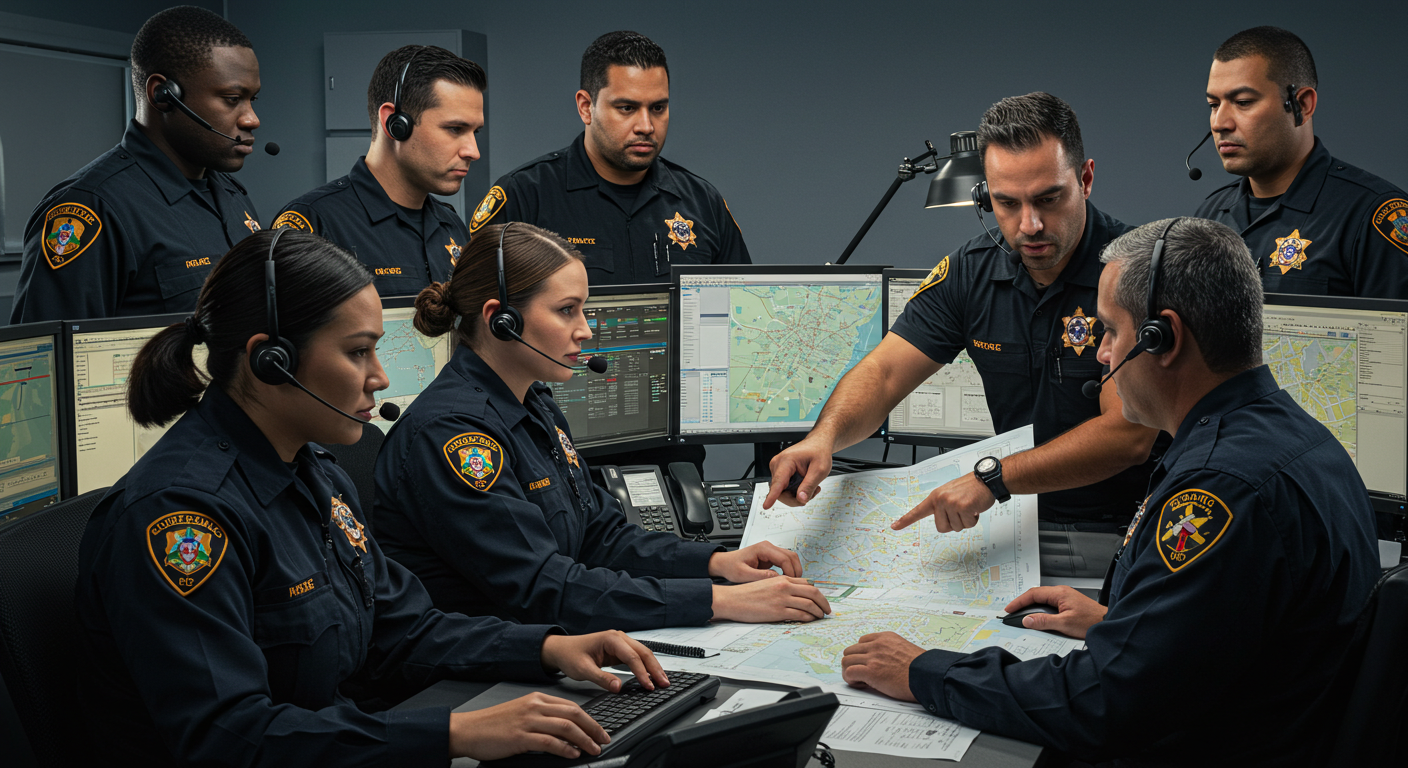
Railroad Contract Services often rely on skilled dispatchers who control train flow across mainlines, yards, and controlled sidings. Dispatchers combine situational awareness with strict operating rules to reduce risk and prevent bottlenecks.
Key responsibilities typically include:
Building safe movement authority and routing plans based on track availability
Coordinating meets, passes, and slow orders to protect schedules
Communicating with crews, maintenance teams, and adjacent territories
Managing disruptions like weather, equipment failures, or obstructions
Documenting actions to support audits and operating compliance
This is where contract railroad services can add value, especially for railroads balancing traffic growth with limited internal capacity.

Contract Train Dispatching and Central Dispatch Services in Practice
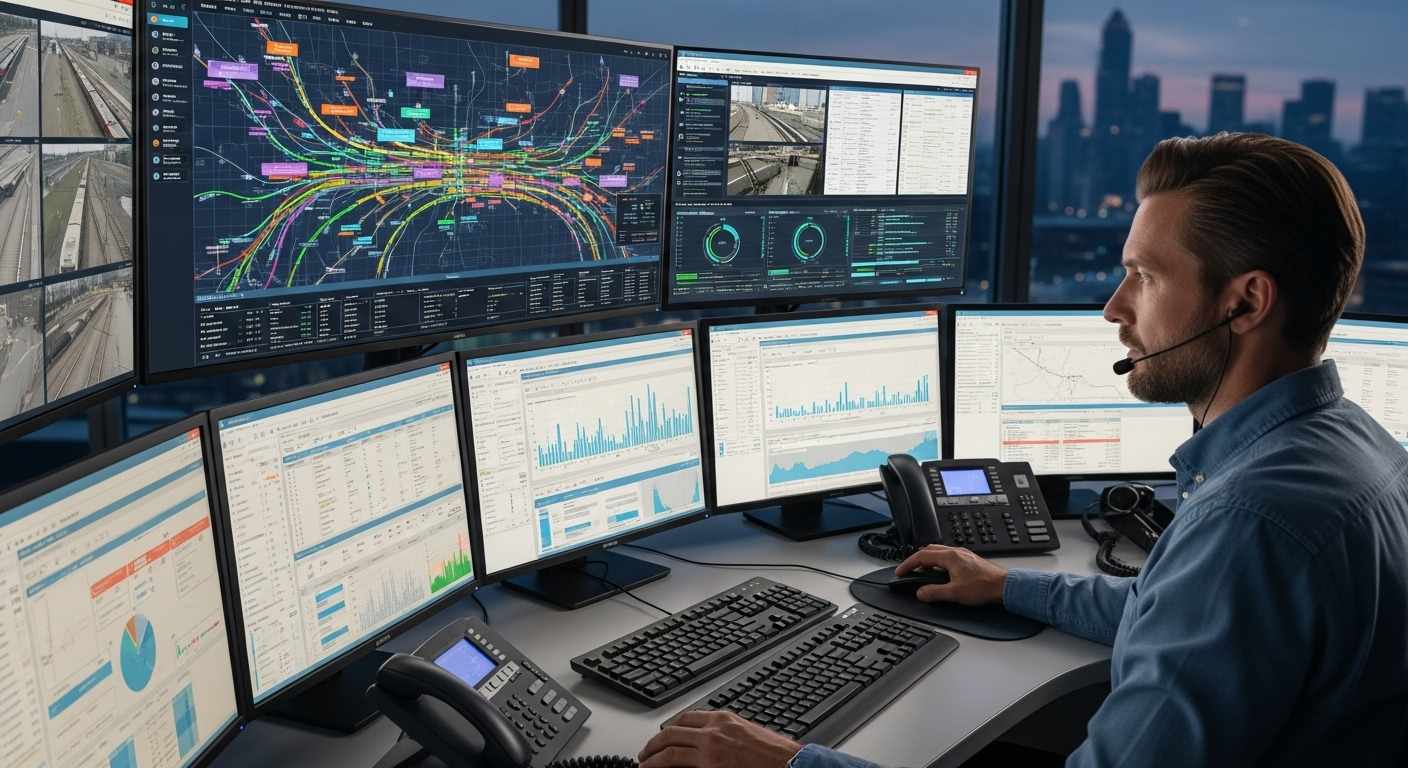
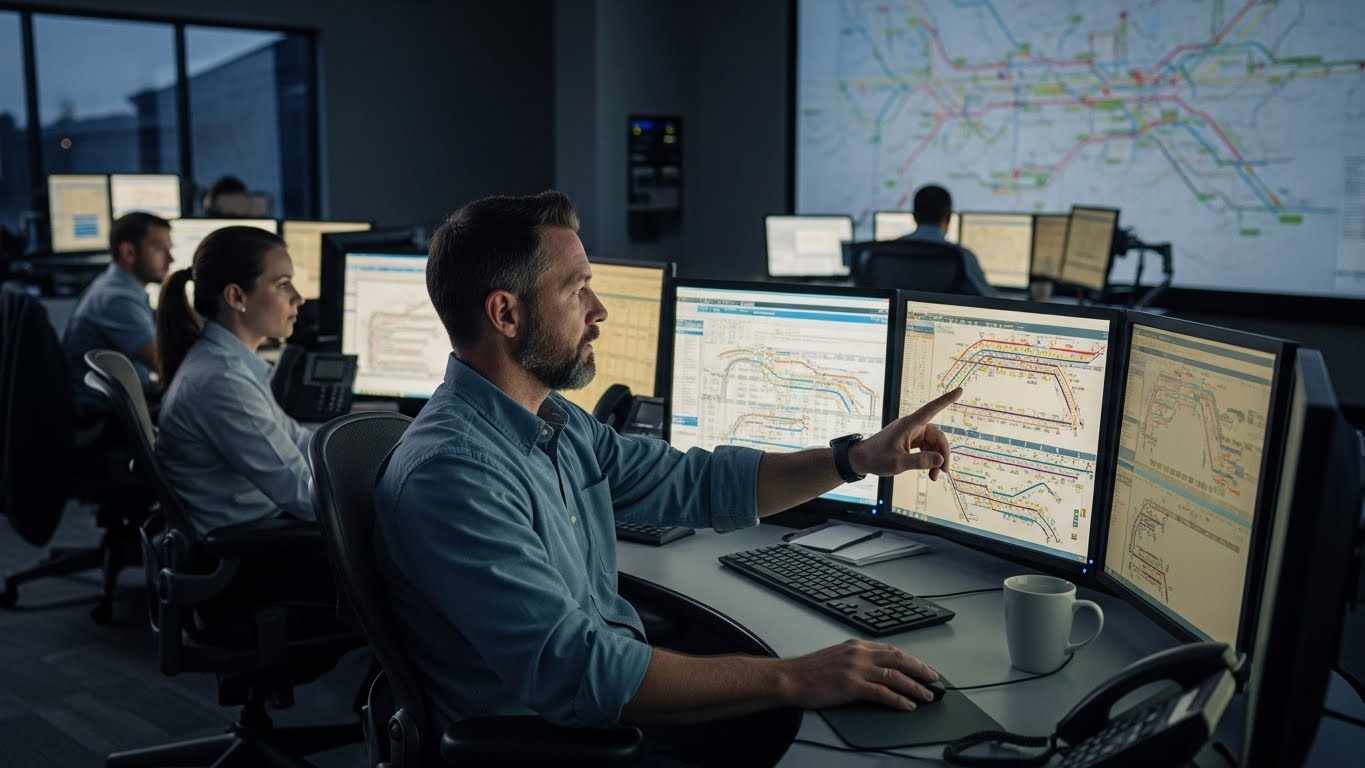
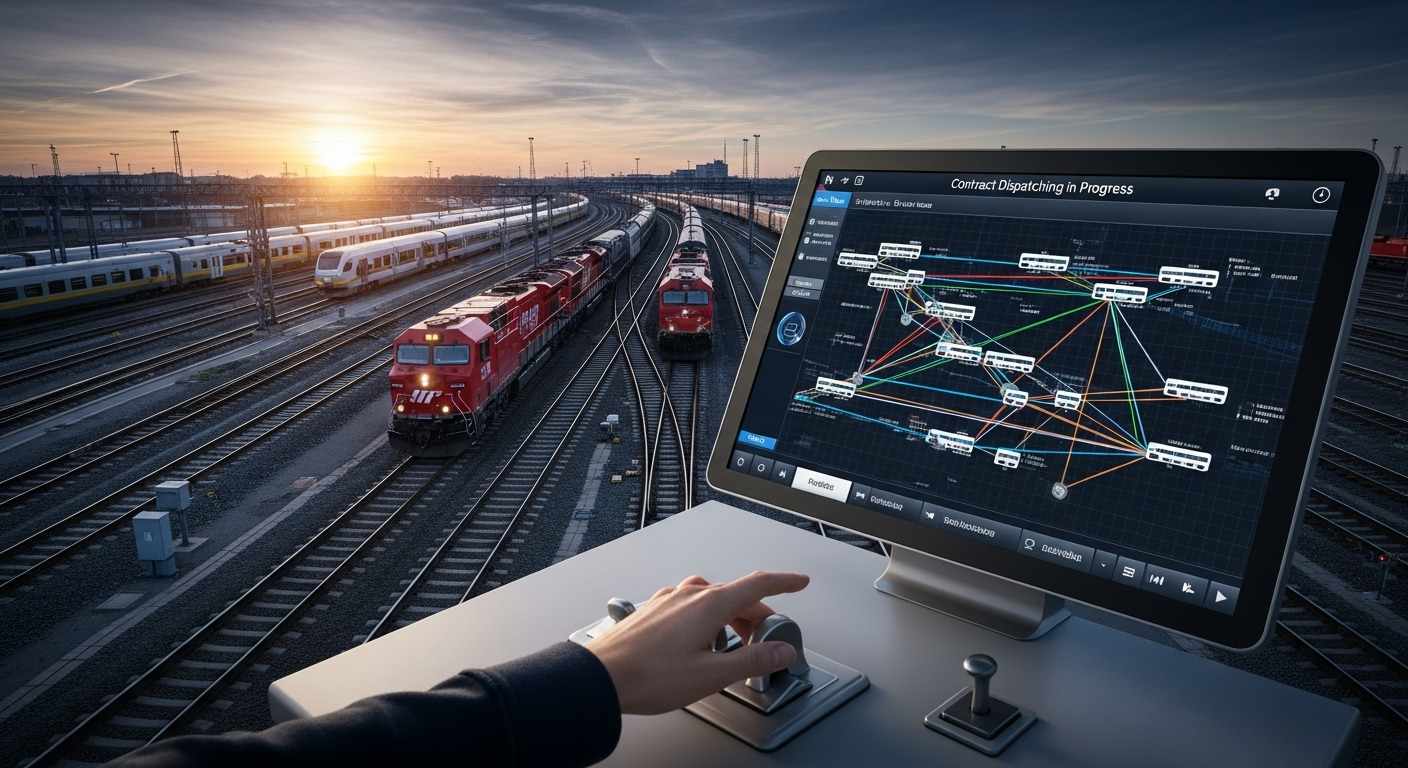
Contract Train Dispatching works best when it functions like an extension of the railroad’s operating team. Many operators also adopt Central Dispatch Services to create a single, consistent command point across territories, which helps reduce miscommunication and slow decision-making.
Services Dispatch Teams Typically Provide:
Train routing optimization using real-time constraints
Schedule coordination to reduce dwell time and cascade delays
Safety oversight aligned with operating rules and bulletins
Incident response playbooks that shorten recovery time
When Outsourced Dispatching Becomes a Competitive Advantage
Outsourced train dispatching services can be especially effective during service expansions, crew shortages, or when launching new industrial customers.
Look for partners that support:
A 24/7 railroad dispatch center with escalation coverage
Clear KPIs such as delay minutes, on-time performance, and conflicts avoided
Railroad operations compliance support with strong documentation habits

Conclusion
Reliable Railroad Contract Services are ultimately about protecting safety, maintaining fluid operations, and responding fast when the plan breaks. If you are evaluating dispatch coverage, scalability, or compliance support, RailRCS can help you strengthen dispatch operations with dependable coordination and field-ready experience.
Visit RailRCS to request a consultation and get a dispatch support plan tailored to your network.
FAQs
1. What are Railroad Contract Services?
Railroad Contract Services provide specialized operational support, such as dispatching and coordination, to keep rail traffic safe, compliant, and efficient.
2. What is Contract Train Dispatching used for?
Contract Train Dispatching helps railroads manage train movements when internal staffing is limited or when traffic complexity increases.
3. How do Central Dispatch Services improve operations?
Central Dispatch Services reduce communication gaps by consolidating control and standardizing decisions across territories.
4. Are contract railroad services only for emergencies?
No. Contract railroad services are often used for day-to-day continuity, peak periods, expansions, and long-term operational coverage.
5. What should I look for in outsourced dispatching services?
Prioritize 24/7 coverage, proven compliance practices, measurable KPIs, and consistent communication protocols



Write a comment ...