
Rail operations move fast, but regulations move faster when something goes wrong. Railroad compliance services help you translate CFR requirements into day-to-day habits, paperwork, and proof that your program is working, not just written down.
It’s especially valuable for contractors, short lines, and industrial operators that need solid compliance without building a huge internal team. When gaps show up, they can trigger preventable incidents, fines, downtime, and reputational damage, plus the scramble of last-minute audit prep.
Core CFR-Aligned Programs a Railroad Compliance Service Should Cover

Railroad Workplace Safety Programs
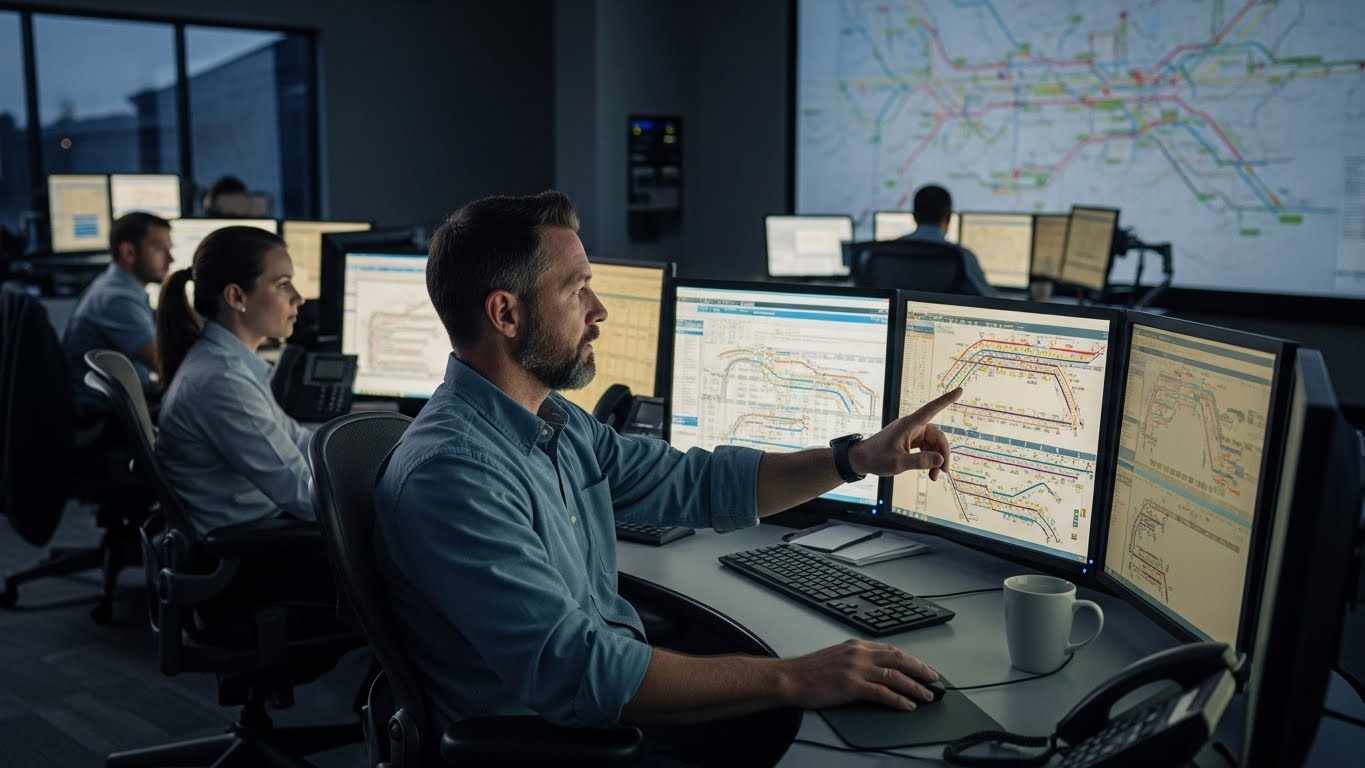
Robust railroad compliance services turn safety rules into field-ready routines like job briefings, hazard controls, and training for railroad dispatchers. It should also support a clear railroad safety program with documented follow-through.
Standardized job briefing templates
Corrective-action tracking after observations
Clear roles for supervisors and crews
Railroad Operating Rules Support
A railroad compliance service provider should help maintain rulebooks, run testing, and document observations to prove crews understand and apply rules in real time.
Control of Alcohol and Drug Use
This program needs consistent policy management and recordkeeping, not guesswork. Compliance services can help keep your controls aligned to expectations and ready for review.
Accident and Incident Compliance
When an event happens, speed and accuracy matter. Railroad compliance services should guide thresholds, timelines, and documentation so your incident reporting supports both compliance and root-cause learning.
Data Retention, Reporting, and Audit Preparedness: Be Ready Before Anyone Asks
Data Retention Best Practices
Audit readiness is mostly about staying organized. Build secure, role-based access and retrieval so records do not vanish with turnover, especially for qualification and training history.
Audit Preparedness Workflows
Compliance services should set up internal reviews, close gaps with documented corrective actions, and keep your CFR compliance documentation consistent.
Monthly, Annual, and Event-Based Reporting
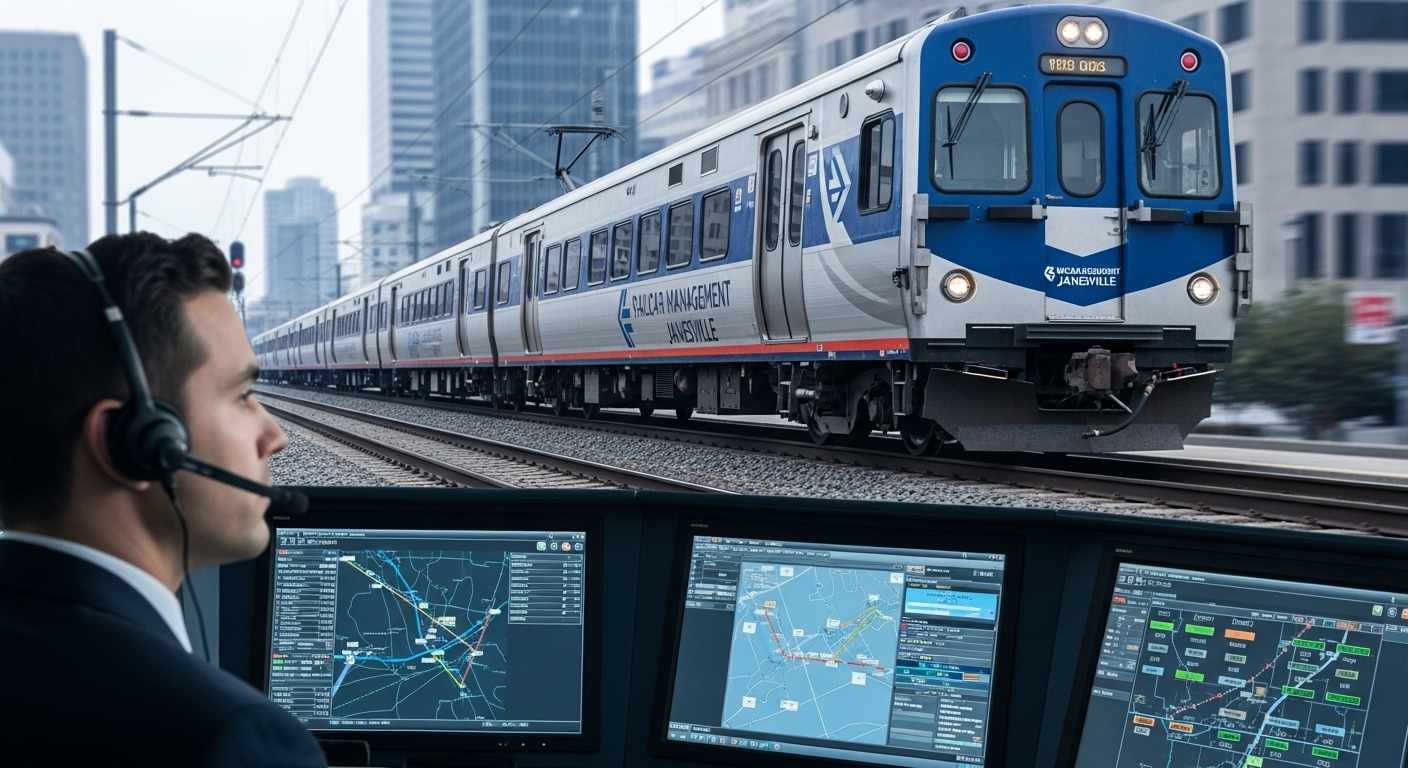
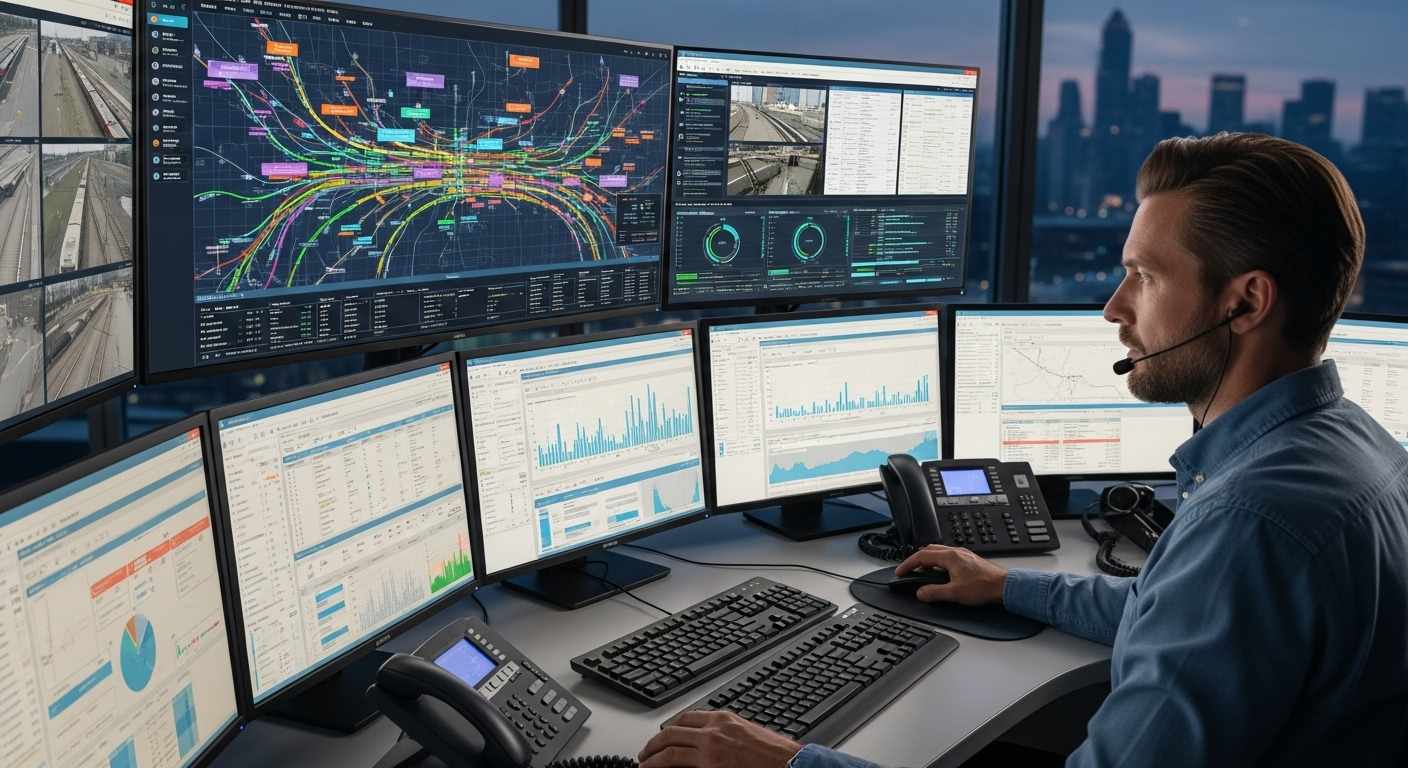
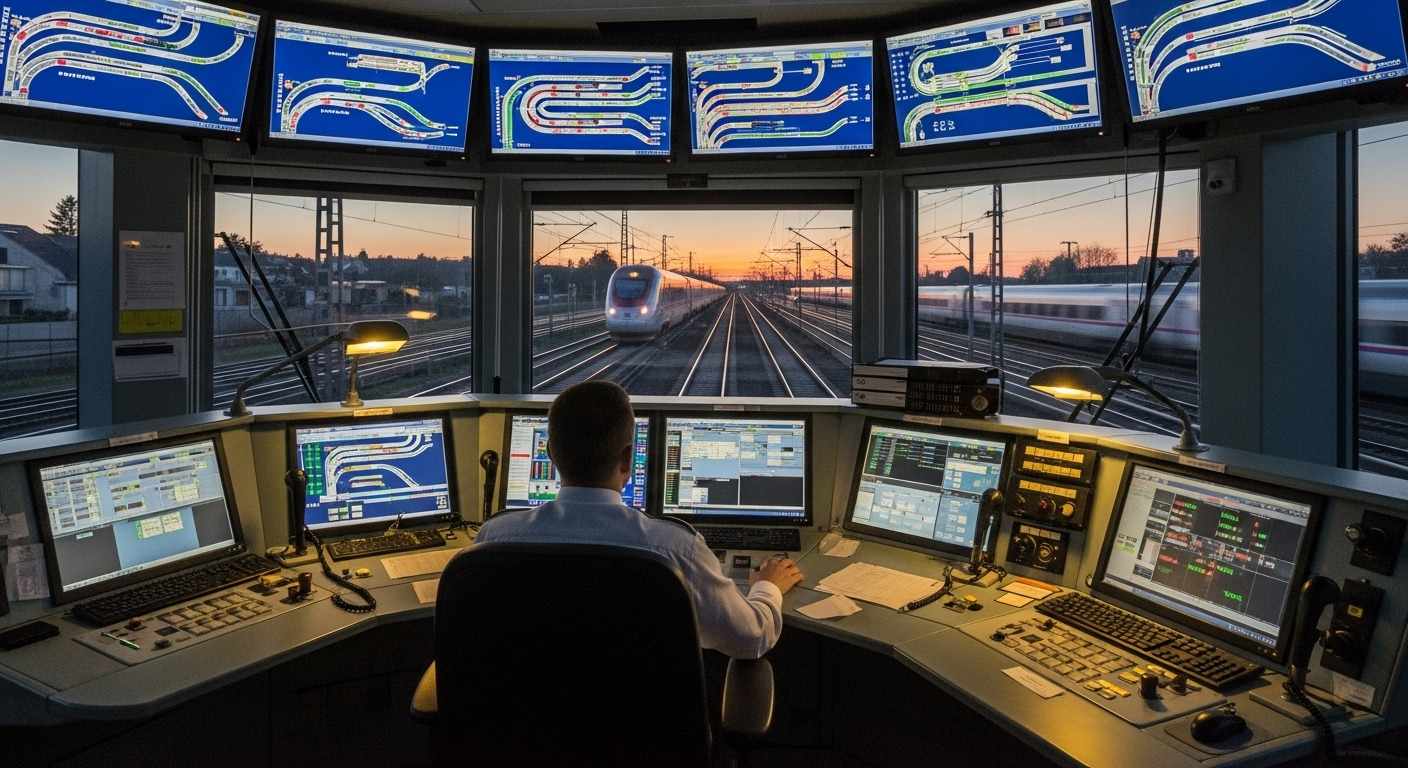
Plan for routine submissions and unexpected events. Many teams also coordinate with a dedicated railroad dispatcher, so operational logs and incident details match across systems.
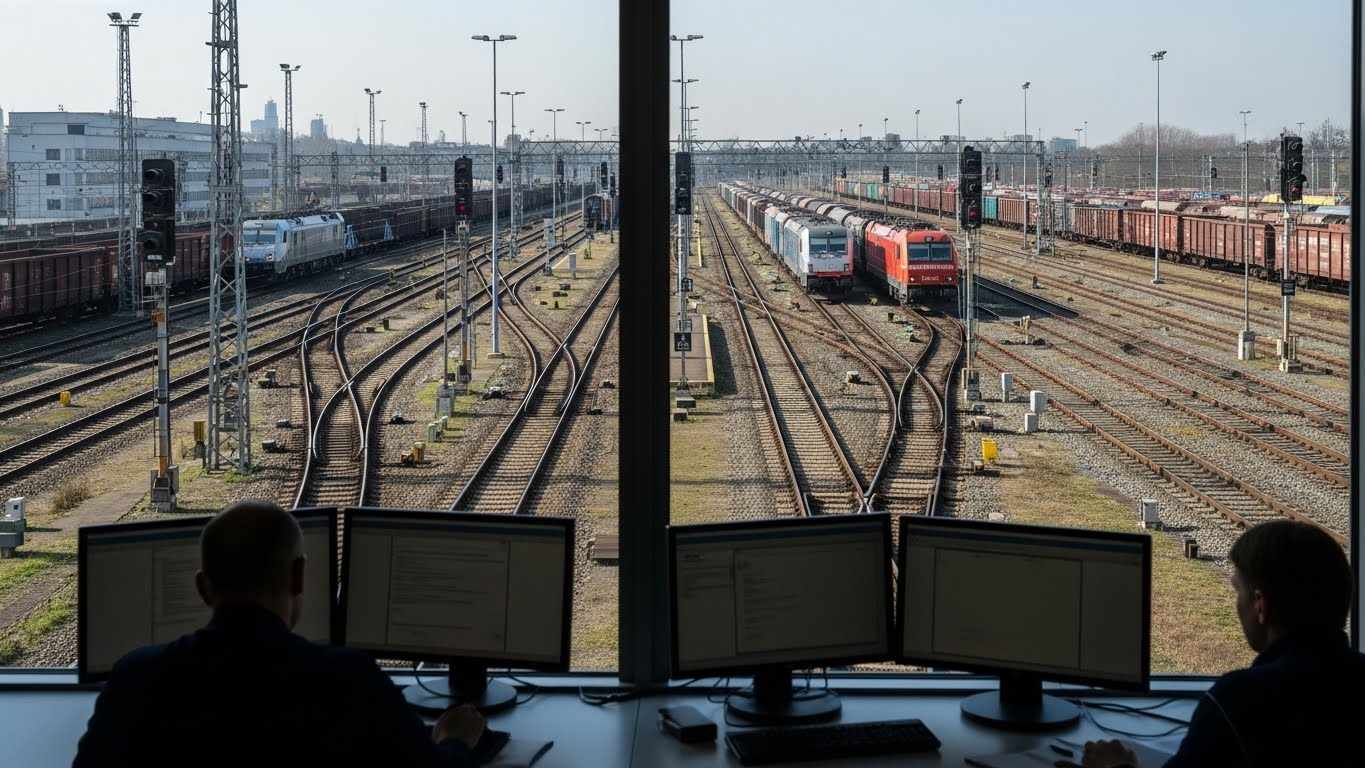
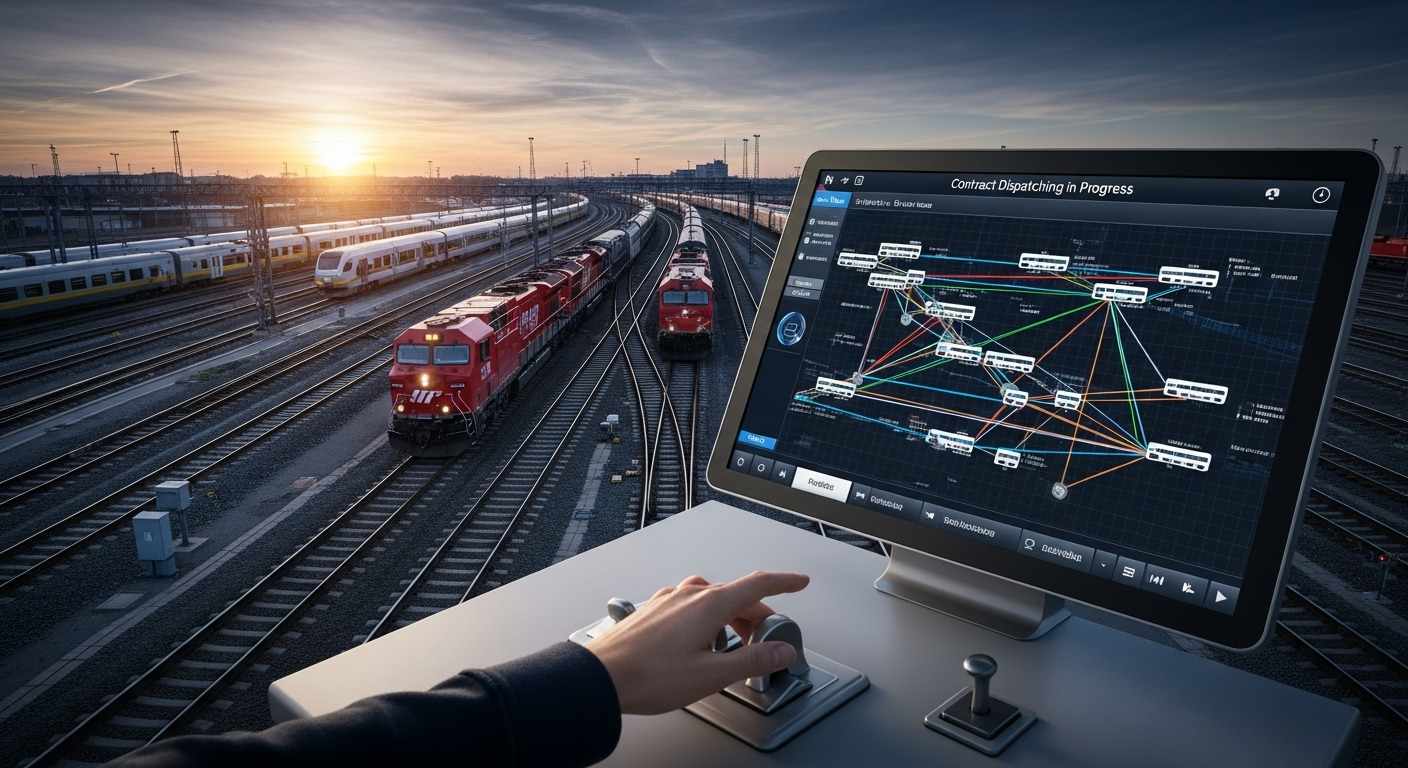
If you outsource your operations with a freight dispatcher contract, clarify the scope early so compliance data flows cleanly from operations to reporting.

Conclusion: How RailRCS Supports End-To-End Railroad Compliance Programs
A reliable railroad compliance service ties together safety programs, operating rules, data retention, and audit readiness so you can run confidently. RailRCS supports businesses and railroads nationwide, offering Central Dispatch Services, supported by experienced teams and always-on responsiveness, helping organizations stay compliant, organized, and ready to prove it.
FAQs
1. What is included in railroad compliance services?
Typically, CFR-aligned programs, training support, documentation control, reporting, and audit prep.
2. How do I know which CFR programs I need?
Start with your operation type and risks, then map requirements in Title 49 and FRA guidance.
3. How long should railroad compliance records be retained?
Retention varies by record type, but a documented schedule and secure storage are essential.
4. What happens if an accident/incident is reported late or incorrectly?
It can raise enforcement risk and complicate investigations, plus it weakens audit readiness.
5. Can a provider manage programs with my local team?
Yes, many models are hybrid, combining local execution with external oversight and reporting.





Write a comment ...