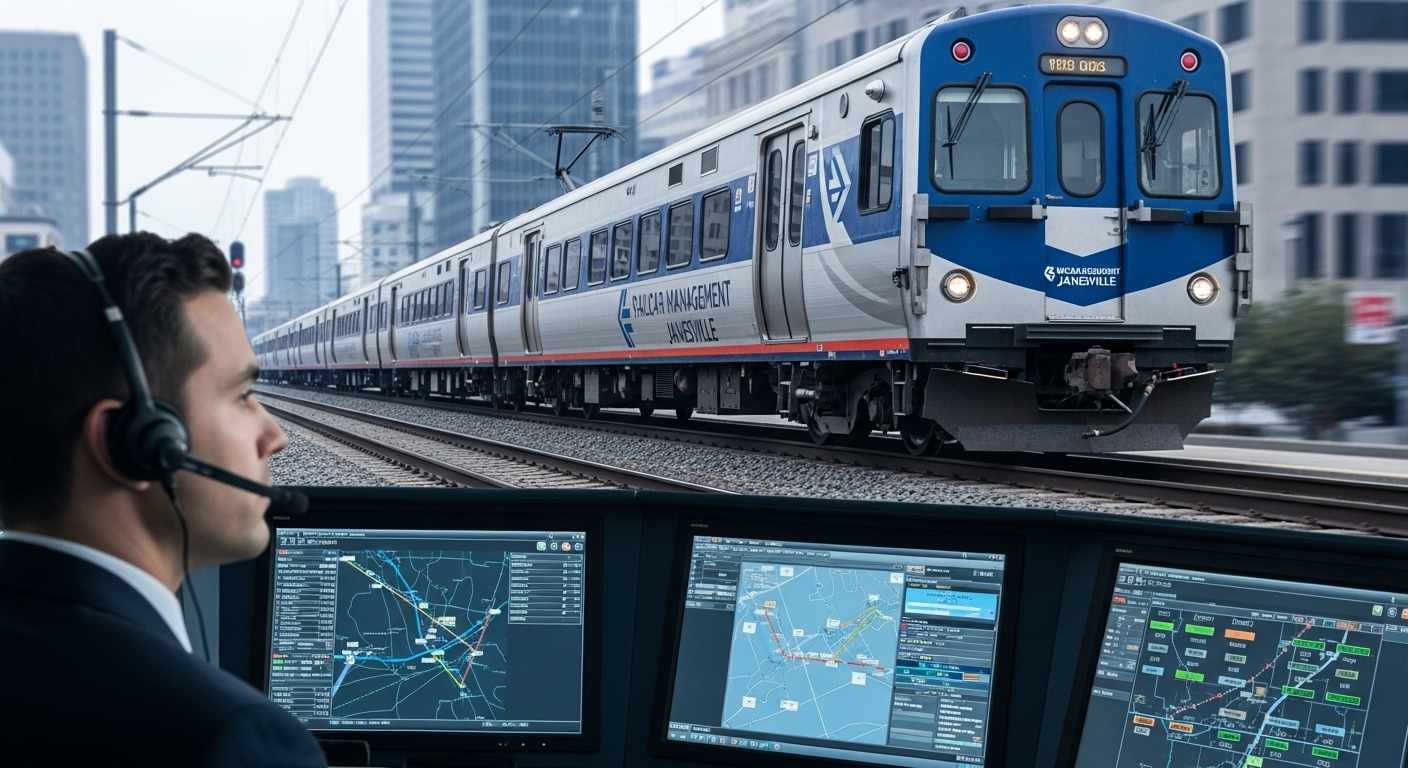
Rail transportation depends on careful planning, timely communication, and proper management of rail equipment. In a busy rail environment, even a small delay in locating a car, arranging a movement, or updating records can affect the work of several teams. This is why Railcar Management Janesville has become an important part of keeping rail operations organized and productive.
Railcar management is not simply about knowing where a railcar is. It involves tracking equipment, maintaining accurate information, coordinating movements, monitoring availability, and making sure railcars are used as efficiently as possible. For railroads and companies that depend on freight transportation, good railcar management can make daily operations much easier.
What Is Railcar Management?
Railcar management refers to the process of monitoring and coordinating railcars throughout their operational life. A railcar may move between yards, customers, interchange points, repair facilities, and other locations. Keeping track of these movements requires accurate records and communication between different parties.
Why Railcar Management Matters in Janesville?
Janesville has a long connection with transportation and rail activity in southern Wisconsin. For businesses and railroad operators working in or around the area, managing rail equipment efficiently can have a direct effect on schedules and customer service.
Railcar Management Janesville can support better coordination by giving railroad teams a clearer view of their equipment and planned movements. Instead of relying heavily on scattered records or repeated phone calls, teams can work from organized information.
This becomes particularly useful when several railcars are moving through different locations at the same time. A reliable management process can help identify delays sooner and give operations teams the information they need to respond.
The Connection Between Dispatching and Railcar Management
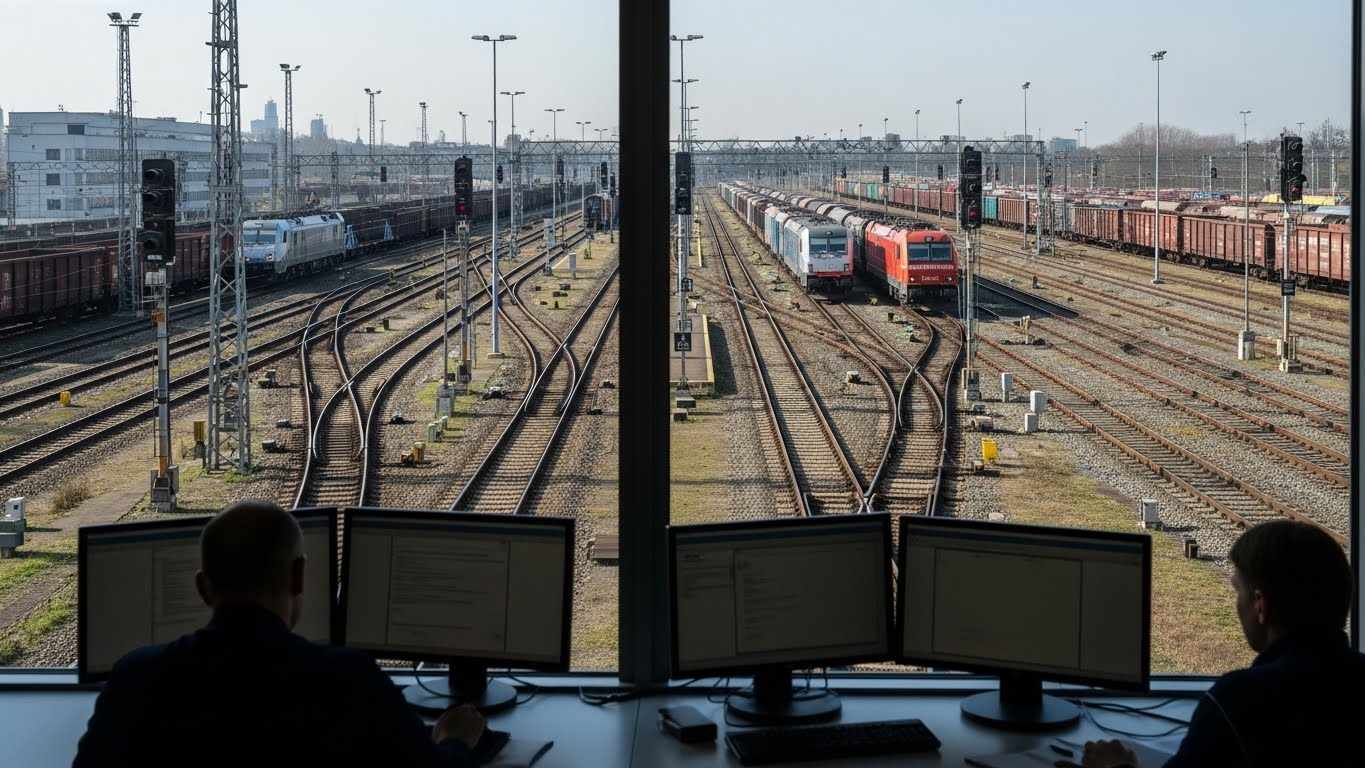
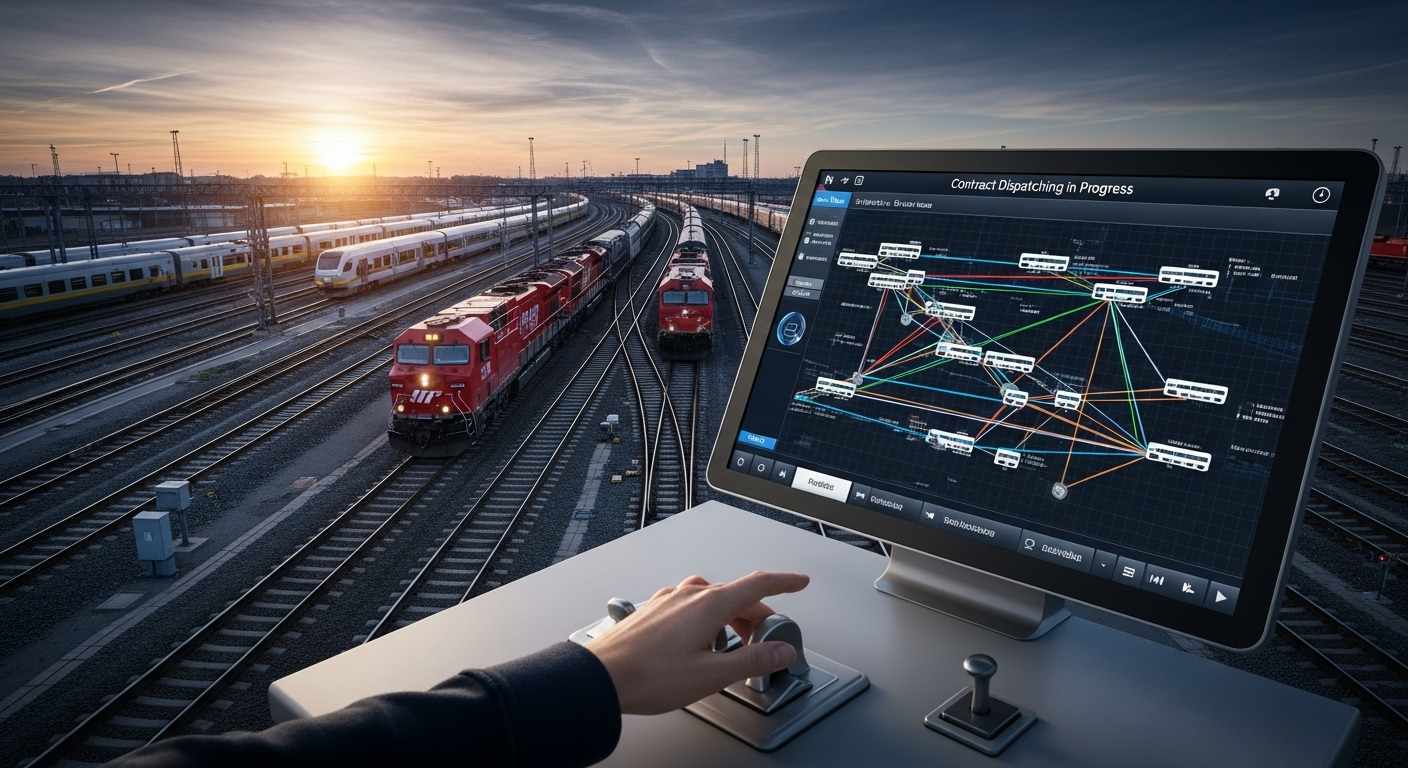
Railcar management and train dispatching are closely connected. Railcars cannot simply move from one location to another without coordination. Train movements need to be planned around track availability, operating conditions, schedules, and other railroad activities.
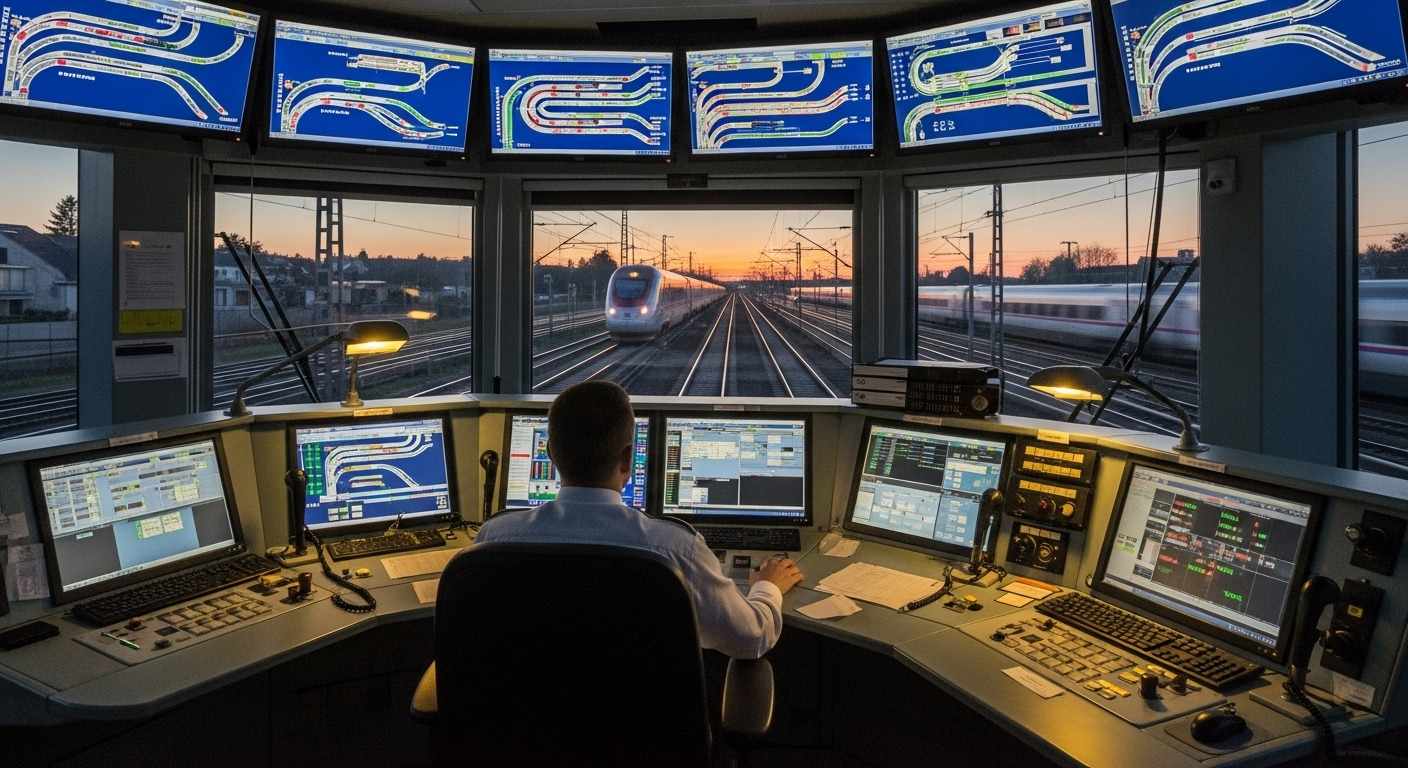
This is where contract train dispatch services can provide useful operational support. Experienced dispatchers coordinate train movements and communicate important information to the people involved in railroad operations. When dispatching and railcar information are properly coordinated, teams can have a better understanding of what equipment is moving and where it needs to go.
For smaller or regional railroad operations, outside support can also provide flexibility without requiring a large in-house dispatching department.
How Technology Helps Manage Railcars
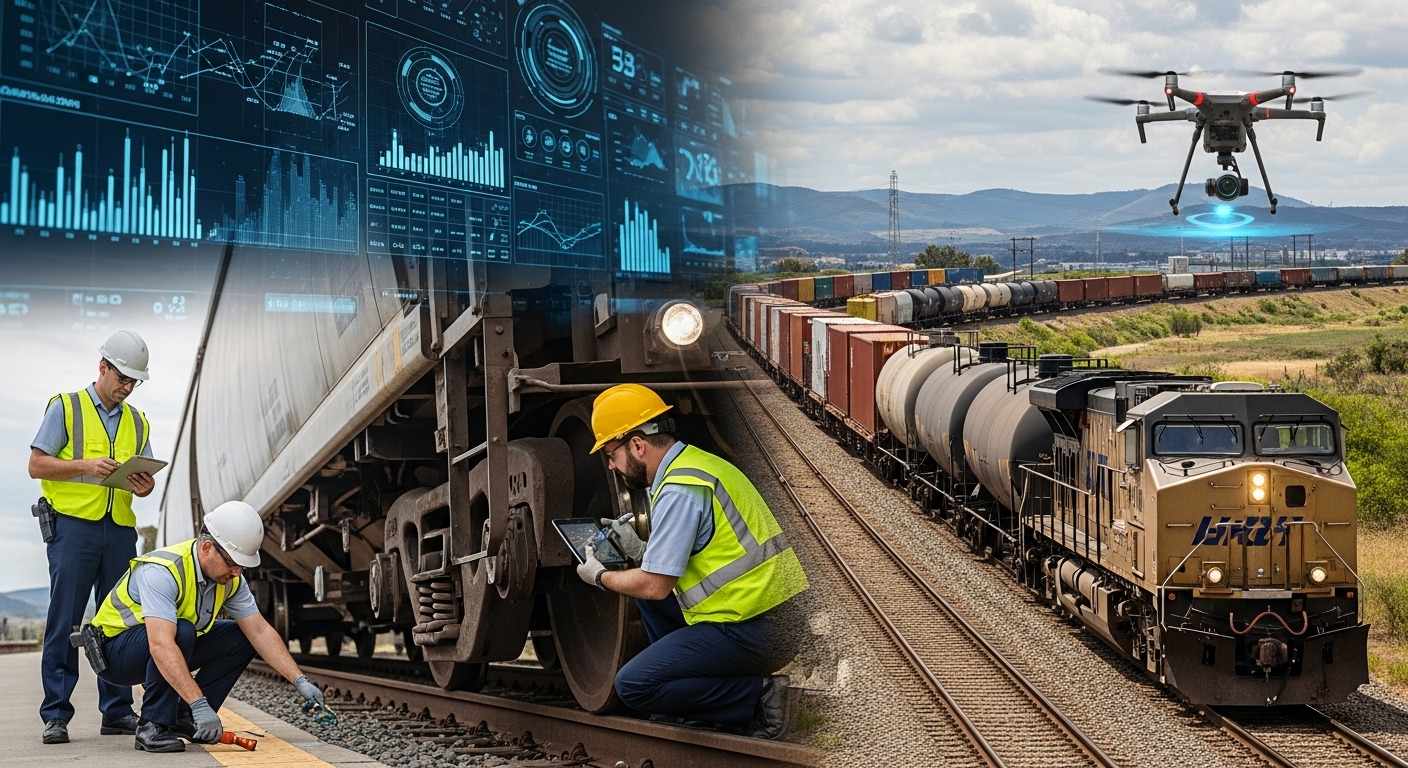
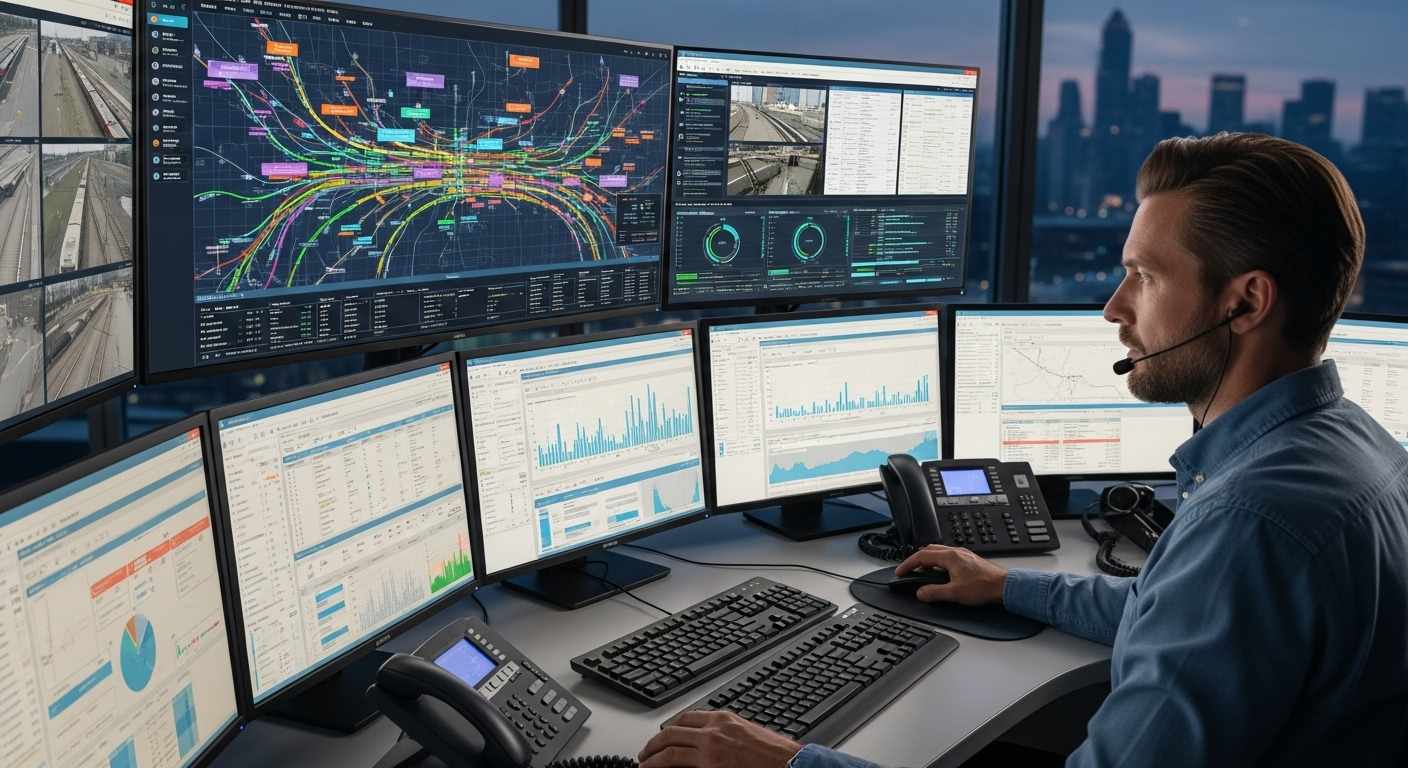
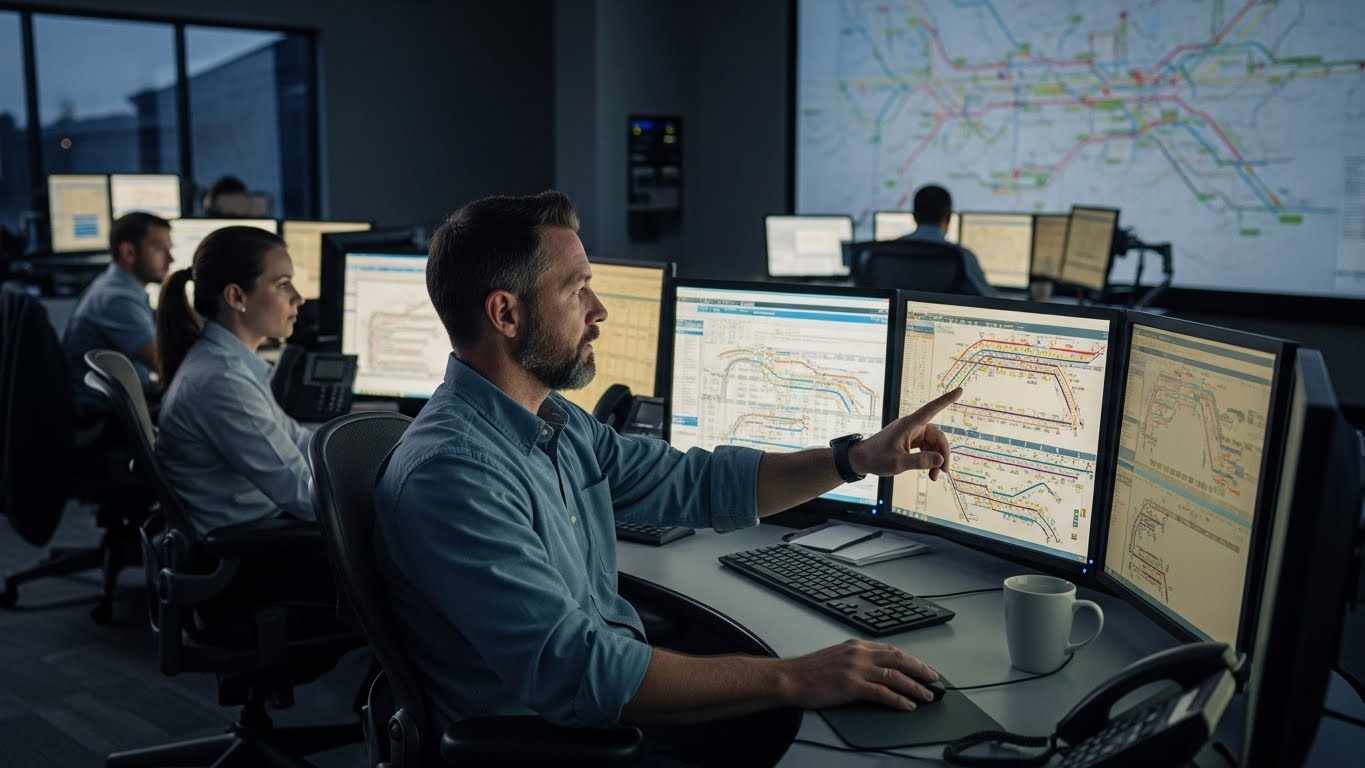
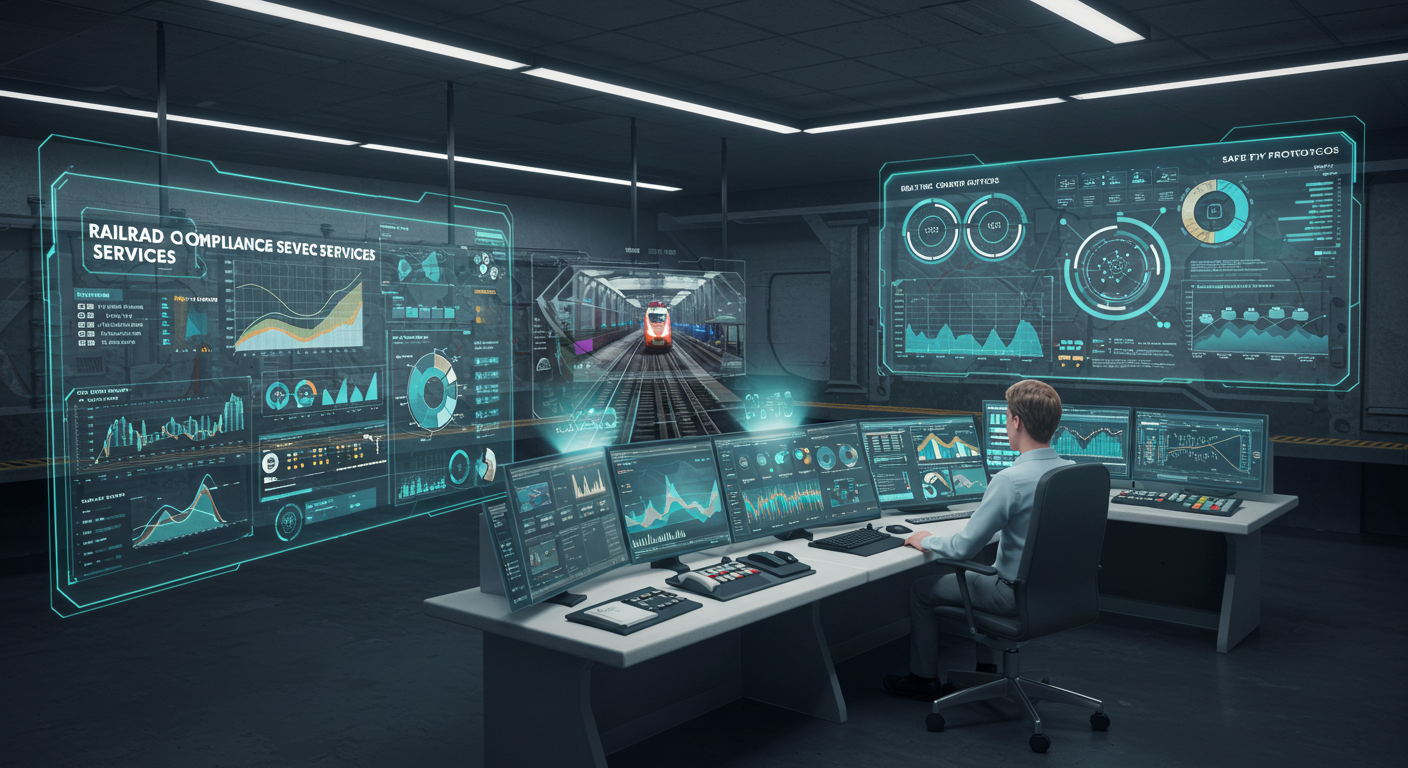
Modern rail operations rely increasingly on technology to keep information organized. Railcar management software can bring important equipment information into one place, making it easier for authorized personnel to review railcar locations, status, movement details, and other operational information.
The value of railcar management software depends on how well it fits the railroad's daily workflow. A system that is difficult to use or does not provide useful information can create more work rather than reducing it.
A practical system should help employees find information quickly and keep records current. It can also reduce the amount of manual work involved in maintaining spreadsheets, paperwork, and separate tracking records.
Technology does not replace experienced railroad personnel. Instead, railcar management software works best when it supports the people who understand the operation and know how to act on the information provided.
Why Trained Railroad Professionals Matter?
Good technology and accurate records are only part of the picture. Rail operations also depend on people who understand railroad rules, communication procedures, and day-to-day operating conditions.
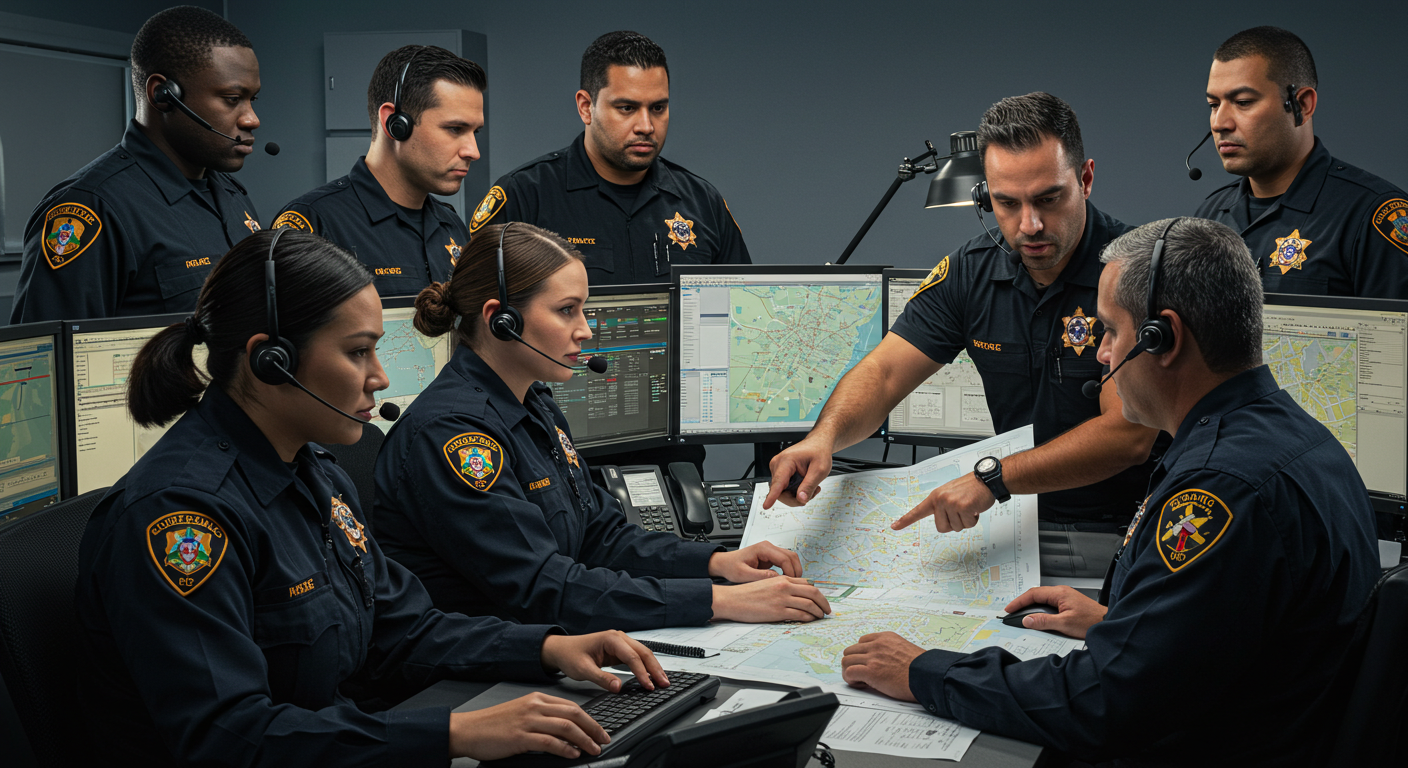
Training is especially important for individuals entering dispatching and railroad operations. A dispatch training course Janesville can help learners develop an understanding of dispatching responsibilities, railroad terminology, communication practices, and operational procedures.
A quality dispatch training course Janesville can also provide practical knowledge that is difficult to gain from reading about railroad operations alone. Understanding how dispatching decisions affect train movements gives new professionals a stronger foundation for working in the industry.
For existing railroad employees, continued education can also help refresh their knowledge and improve confidence when dealing with changing operational requirements.
Reducing Delays Through Better Coordination
Railroad delays can happen for many reasons. Equipment issues, track conditions, crew availability, congestion, customer requirements, and unexpected events can all affect a planned movement.
Effective railcar management does not eliminate every delay, but it can make it easier to identify problems and respond to them. When accurate equipment information is available, operations teams can see which railcars may be affected and determine what action is needed.
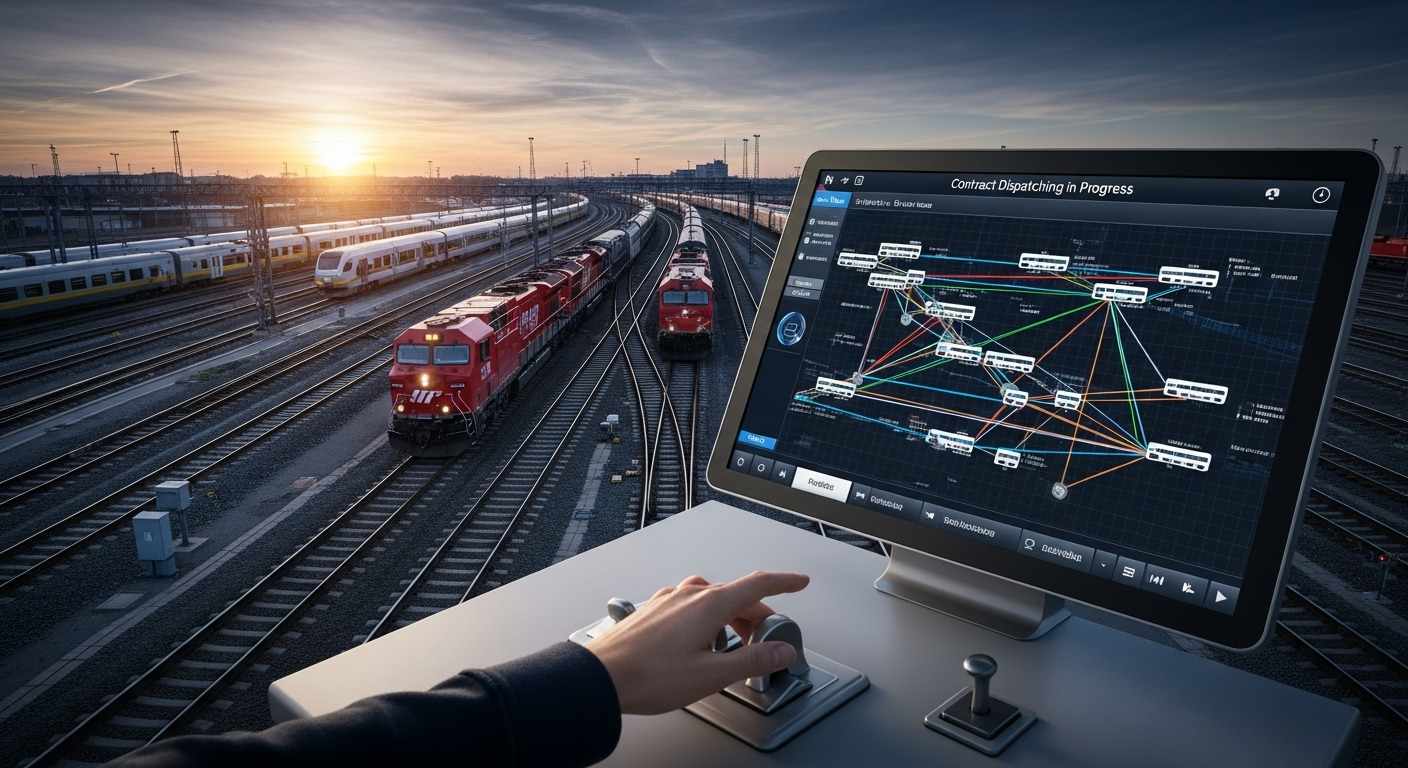
This is another area where contract train dispatch services can complement railcar management. Dispatchers can coordinate train movements while management systems provide useful information about equipment. Together, these functions can support a more organized operating process.
Supporting Better Customer Service
Railroads also need to consider the businesses that depend on their service. Customers often want reliable information about their freight and equipment. Delays or unclear updates can create frustration, particularly when a railcar is needed for production or another scheduled activity.
A structured railcar management process can help railroad personnel provide more accurate updates. When equipment information is properly recorded and regularly maintained, customer inquiries can be handled more efficiently.
For companies operating in and around Janesville, this can make Railcar Management Janesville an important part of maintaining dependable rail service.
Choosing the Right Approach
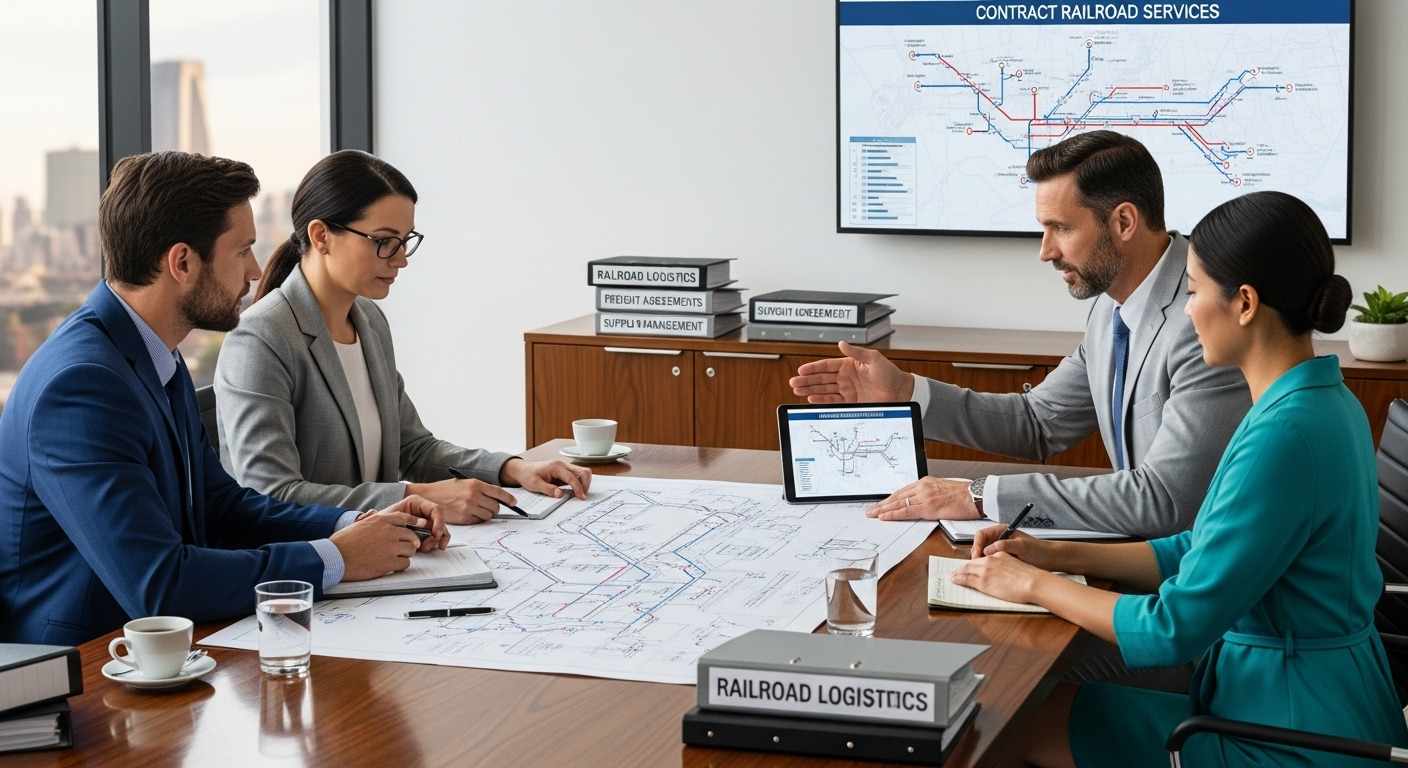
Every railroad has different operational needs. A short regional line may have different requirements from a larger railroad with multiple yards and a wider service area. Before selecting a management approach, companies should consider the number of railcars they handle, the complexity of their movements, reporting needs, and available personnel.
It is also important to look at how dispatching, railcar tracking, compliance, and communication work together. A solution should fit the actual operation rather than adding unnecessary complexity.
Training should be considered as well. A dispatch training course Janesville can be useful for organizations that want employees to build stronger knowledge of railroad dispatching and operational coordination.
Conclusion
Railroad operations will continue to depend on accurate information and good communication. As equipment fleets and customer expectations grow, organized railcar management can help companies maintain better control over their daily activities.
For operators in southern Wisconsin, Railcar Management Janesville represents more than simply tracking equipment. It is about bringing railcar information, dispatching, technology, and trained personnel together to support smoother operations.
When these elements work together, railroad teams are better positioned to manage equipment, respond to changes, communicate with customers, and keep freight moving. The goal is straightforward: have the right information available at the right time so that people can make sound operational decisions.
In a field where timing and coordination matter every day, effective railcar management remains an important part of reliable rail logistics.
Write a comment ...